
Nap Song
By

Dennis Wang, Bedtime Story Expert
1 min 18 sec
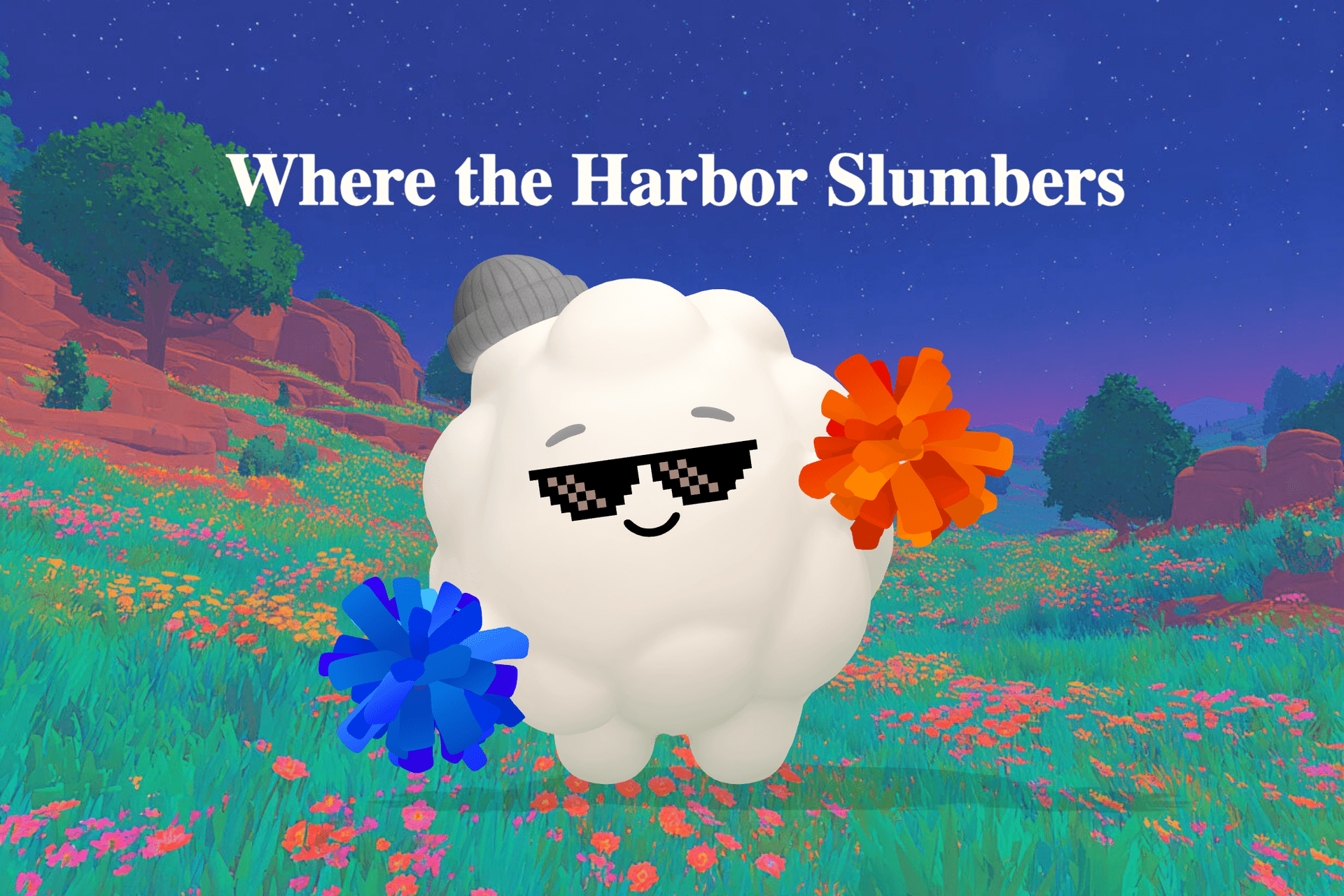
Quick answer
A nap song like Where the Harbor Slumbers helps children from newborn to age five ease into sleep by using slow, repeating imagery of soft stars dimming and warm breezes humming low. The melody moves at the pace of a quiet exhale, giving a child's mind motionless scenery to settle into rather than stimulating images that keep little brains alert. With each looping verse, the familiar sound deepens relaxation and steadies breathing until sleep arrives naturally.
Picture a quiet harbor at dusk, where soft stars begin to dim and a warm breeze hums low through an open window. This nap song wraps your child in that same hush, letting moonlight and drifting clouds carry them gently toward sleep. You can create a personalized version with Sleepytale.
Why Nap Lullabies Soothe at Bedtime
A slow, sung melody does something remarkable to a child's body. When a parent's voice drops into a gentle, unhurried cadence, it mirrors the pace of a resting heartbeat. That steady pulse sends a quiet signal: everything is safe, nothing needs attention, you can let go. Whether you sing live or play a familiar recorded melody, the voice itself becomes a bridge between wakefulness and sleep. Children do not need perfect pitch; they need consistency and warmth. Sensory anchors make lullabies about napping even more powerful. A child's mind latches onto soft, concrete images: a dim star, a drifting cloud, a breeze brushing skin. These details give the imagination a gentle place to rest instead of spinning through the day's events. When the same verse loops back a second and third time, the brain recognizes the pattern and releases its grip on alertness. Repetition is not boring to a young child; it is deeply reassuring, creating a loop of familiarity that quiets anxiety and invites stillness.
Where the Harbor Slumbers 1 min 18 sec
1 min 18 sec
warm breeze hums low
night bugs sing soft music
soft stars dim now
close your eyes dear sleepy
moon light bathes room
small clouds drift past window
soft stars dim now
close your eyes dear sleepy
Why This Nap Lullaby Helps at Bedtime
Where the Harbor Slumbers moves at the pace of a long, quiet exhale. Each verse returns to the same anchoring phrase about soft stars dimming, and the repetition works like a slow pendulum that steadies a child's breathing. The images themselves are purposely still: a warm breeze humming low, moonlight bathing a room, small clouds drifting past a window. None of these pictures demand action or excitement. They give a child's mind soft, motionless scenery to settle into, the opposite of the busy, colorful images that keep little brains alert. By the second or third pass through the chorus, your child's brain no longer needs to process the words; it simply rests inside the familiar sound. Pair this lullaby with the same dim lamp, the same blanket, and the same quiet moment each evening, and the opening line begins to act as a sleep cue all on its own. Many parents notice their little one's eyelids growing heavy before the first verse even finishes.
What This Nap Lullaby Captures
The image of soft stars dimming overhead gives a child the feeling that the whole sky is settling down alongside them, as if the world itself is ready to rest. A warm breeze humming low suggests a kind of invisible companion, something gentle and steady keeping watch nearby. Moonlight bathing the room transforms an ordinary space into something hushed and luminous, a place where everything feels safe and cradled. Small clouds drifting past the window carry the quiet promise that time is moving slowly and nothing urgent waits on the other side of sleep.
How to Sing It at Bedtime
When you reach the line about soft stars dimming, let your voice drop almost to a whisper and slow the tempo just slightly. On the phrase about the warm breeze humming low, try placing a gentle hand on your child's chest so they can feel the steadiness of your breathing alongside the melody. Each time the verse circles back to “close your eyes,“ stretch those three words a little longer than the time before.
Frequently Asked Questions
What age is this lullaby best for?
This lullaby works beautifully for newborns through preschoolers, roughly from birth to about age five. The simple, repeating images of dimming stars and drifting clouds are easy enough for the youngest listeners to absorb as pure sound, while toddlers and preschoolers can picture the quiet harbor scene and let it carry them toward sleep.
Can I play this lullaby on repeat?
Yes, absolutely. The looping structure of dimming stars, humming breezes, and drifting clouds is designed to deepen with each pass, growing more soothing rather than monotonous. Just press play at the top of the page and let the melody cycle as many times as your child needs.
Why does the lullaby mention night bugs singing?
The night bugs in this lullaby mirror the soft, steady sounds a child might actually hear on a calm evening, creating a sense of familiar, real world comfort. Their gentle singing blends into the melody like a natural lullaby within the lullaby, reminding children that even tiny creatures outside the window are settling into their own quiet rhythms.
Create Your Own Version
Sleepytale turns your family's favorite ideas into personalized lullabies with gentle melodies and calming lyrics written just for your child. You can swap the harbor for a backyard treehouse or a cozy blanket fort, replace the night bugs with your child's favorite stuffed animal humming along, and even choose a soothing voice that feels familiar. In just a few moments, you will have a one of a kind bedtime song your little one can hear every single night.
Looking for more lullabies for kids?
Funny Songs For Kids
A duck in a dream hat giggles beside moonlit streams in one of the sweetest funny songs for kids at bedtime.
Kids Dance Songs
Little feet settle softly to the ground as kids dance songs wind down to sleepy sighs and gentle hums.
Baseball Walk Up Songs For Kids
Discover how baseball walk up songs for kids become gentle lullabies when the bases sleep in gold and the moon calls your little one home.
Kids Christian Songs
Not every lullaby needs a sheep; kids christian songs about angels humming and stars gleaming can carry a child to sleep just as softly.
Camp Songs For Kids
Discover camp songs for kids that drift like sparks beneath the stars, wrapping little ones in warmth and cozy sleep.
Time To Go To Bed Song
Discover a soothing time to go to bed song where moonlight beams across the pillowcase and stars hum your child to sleep.