
Kids Dance Songs
By

Dennis Wang, Bedtime Story Expert
1 min 41 sec
Quick answer
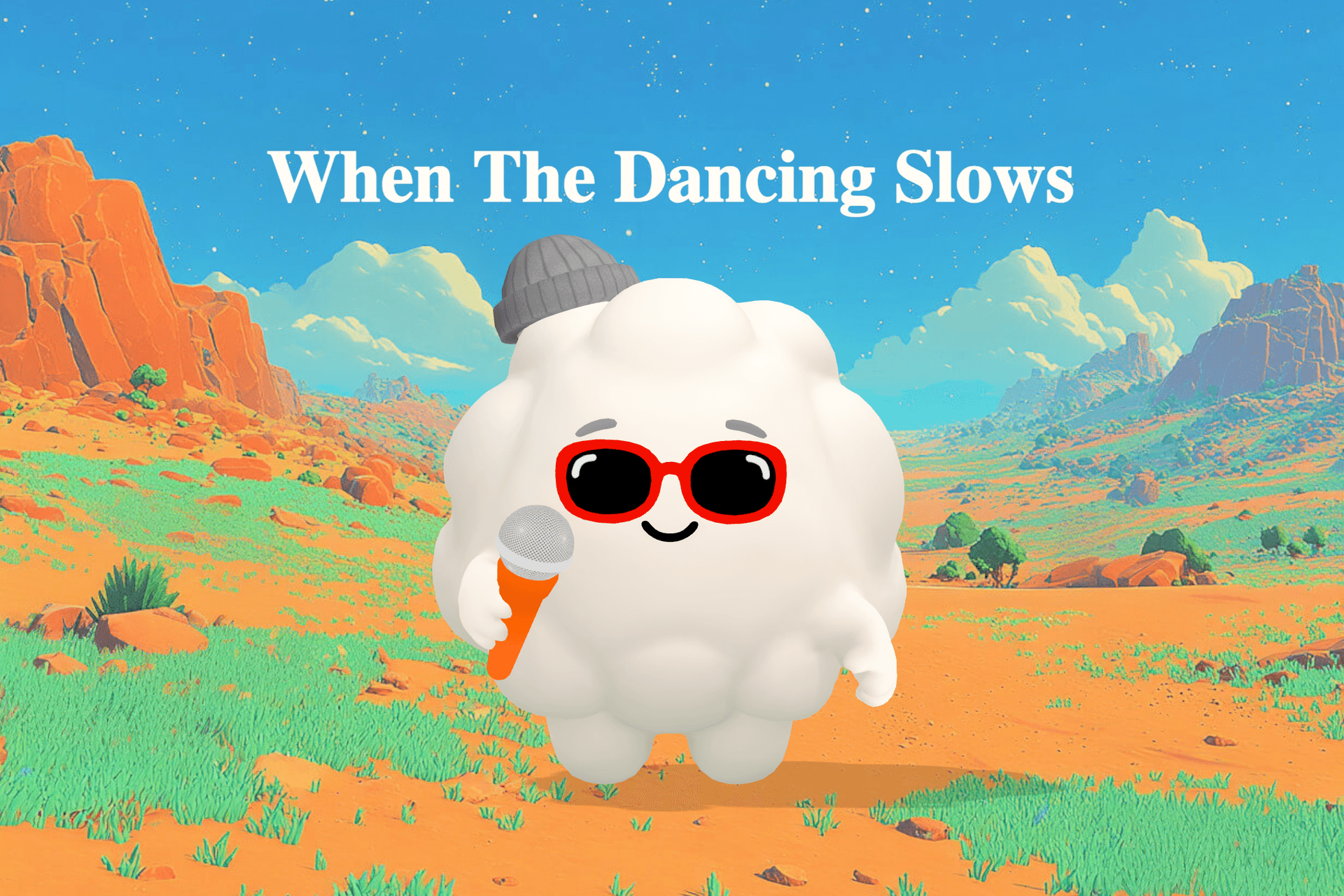
Kids dance songs like "When The Dancing Slows" help toddlers and preschoolers transition from the energy of the day into restful sleep by pairing familiar movement imagery with a slow, repeating melody. The lullaby guides a child's imagination from gentle sways on tippy toes to arms drifting softly down, mirroring a resting heartbeat that naturally quiets the body. Its recurring chorus builds familiarity that eases bedtime anxiety, giving children permission to let go of the day's excitement.
Picture a warm room where little feet have hopped and swirled all day, and now the spinning slows to sleepy sighs as tiny arms drift softly down to rest. When The Dancing Slows is one of those kids dance songs that gently carries your child from the energy of the day into the calm of the night. You can create a personalized version with Sleepytale.
Why Dance Lullabies Soothe at Bedtime
A slow, sung melody about winding down from a dance matches the resting heartbeat cadence that helps a child's nervous system settle. When a parent's voice carries that unhurried rhythm, it signals safety in a way no spoken instruction can. The body responds before the mind does; breathing slows, muscles loosen, and the child begins to let go of the day's excitement. That trust in a familiar voice, whether live or recorded, is the foundation every bedtime routine builds on. Children anchor themselves in sensory details: the feeling of swaying, the softness of settling to the ground, the fading sound of giggles. Dance songs at night work especially well because the imagery naturally moves from motion to stillness, giving a child's imagination a gentle path to follow. When the same chorus returns verse after verse, the brain no longer needs to anticipate what comes next. That loop of familiarity quiets anxiety and invites sleep without a struggle.
When The Dancing Slows 1 min 41 sec
1 min 41 sec
We danced around the room today
We hopped and clapped and swirled and spun
The music played a happy tune
But now the busy day is done
Our little feet are ready to rest
Now the dancing softly slows
Gentle sways on tippy toes
Arms come down to rest and stay
We will twirl again someday
Close your eyes and dream away
The spinning slows to sleepy sighs
Our giggles fade to quiet sound
We rock like leaves upon the breeze
And settle softly to the ground
A gentle hum to hold you tight
Now the dancing softly slows
Gentle sways on tippy toes
Arms come down to rest and stay
We will twirl again someday
Close your eyes and dream away
Why This Dance Lullaby Helps at Bedtime
“When The Dancing Slows“ opens with movement that has already begun to fade: gentle sways on tippy toes, arms drifting down, spinning dissolving into sleepy sighs. The pacing mirrors a resting heartbeat, each line a little slower than the last. Images like giggles fading to quiet sound, rocking like leaves on a breeze, and settling softly to the ground all guide the imagination from activity toward stillness. Where busy, upbeat images would energize a child, these quiet ones soften the body and invite rest. The chorus returns three times with the same gentle words, so by the second pass your child's mind can release the effort of listening and simply float along. Pair this song with the same dim lamp, the same soft blanket, and the same moment each evening, and it becomes a sleep cue your child's body learns to trust. Many parents notice their little one's eyes growing heavy before the final chorus even begins.
What This Dance Lullaby Captures
The image of arms coming down to rest and stay captures the feeling of finally letting go, a child's body agreeing that the day's adventures are complete. Giggles fading to quiet sound mirrors that tender moment when excitement softens into closeness, and a child feels safe enough to be still. The promise that “we will twirl again someday“ offers reassurance that the fun is not lost, only paused, giving a child permission to release the day without worry. Settling softly to the ground, like leaves on a breeze, wraps the listener in a sense of gentle, unhurried protection.
How to Sing It at Bedtime
When you reach “gentle sways on tippy toes,“ slow your voice to half speed and rock your child softly from side to side. Let the line “close your eyes and dream away“ stretch out longer each time the chorus returns, almost whispering by the final pass. On “settle softly to the ground,“ place your hand gently on your child's chest so the words and your touch land together.
Frequently Asked Questions
What age is this lullaby best for?
This lullaby works beautifully for toddlers and preschoolers, roughly ages one through five, because the imagery of hopping, clapping, and swirling connects to the kind of movement they already love during the day. Even infants respond to the slow, repeating chorus and the soothing rhythm of lines like “gentle sways on tippy toes.“
Can I play this lullaby on repeat?
Yes, and the repeating chorus about gentle sways and arms coming down to rest actually grows more soothing with each loop. Press play at the top of the page and let the song cycle; images like rocking like leaves on a breeze and settling softly to the ground hold up beautifully to repetition without losing their calming effect.
Why does the lullaby promise 'we will twirl again someday'?
That line reassures your child that the fun of dancing, hopping, and spinning is not gone forever; it is simply resting until tomorrow. Young children often resist sleep because they worry about missing out, and this gentle promise gives them permission to let go. It turns bedtime into a pause rather than an ending, which helps ease the transition.
Create Your Own Version
Sleepytale turns your family's favorite ideas into personalized lullabies with gentle melodies and calming lyrics made just for your child. You can swap the room for a blanket fort or a moonlit garden, replace the swirling and spinning with a favorite stuffed animal's gentle rocking, and choose a soothing voice your child loves. In just a few moments you will have a one of a kind bedtime song your little one can hear every night, filled with the places and comforts that feel most like home.
Looking for more lullabies for kids?
Funny Songs For Kids
A duck in a dream hat giggles beside moonlit streams in one of the sweetest funny songs for kids at bedtime.
Baseball Walk Up Songs For Kids
Discover how baseball walk up songs for kids become gentle lullabies when the bases sleep in gold and the moon calls your little one home.
Kids Christian Songs
Not every lullaby needs a sheep; kids christian songs about angels humming and stars gleaming can carry a child to sleep just as softly.
Camp Songs For Kids
Discover camp songs for kids that drift like sparks beneath the stars, wrapping little ones in warmth and cozy sleep.
Time To Go To Bed Song
Discover a soothing time to go to bed song where moonlight beams across the pillowcase and stars hum your child to sleep.
Songs To Sing To Kids
Cozy Kid is one of the loveliest songs to sing to kids, with moonlit breezes and twinkling stars guiding little dreamers to sleep.