
Sleepytale vs YouTube Kids: Which Is Better for Bedtime Stories?
By

Dennis Wang, Bedtime Story Expert
| Feature |  Sleepytale Sleepytale |  YouTube Kids YouTube Kids | Why it matters at bedtime |
|---|---|---|---|
| What It Is | Cleo the Cloud, an AI friend for kids who makes stories, lullabies, musicals, lessons, and rhymes, and chats, with the screen on or fully off, whenever your child asks | Google's kid-safe video app with filtered content across cartoons, music, learning, and creator channels for ages 12 and under | YouTube Kids is a video platform for all-day watching; Sleepytale is a friend who makes one thing your child asked for and then stops |
| 💡 YouTube Kids is a video platform for all-day watching; Sleepytale is a friend who makes one thing your child asked for and then stops | |||
| Personalization | Cleo makes everything on the spot, around your child's name, their favorites, and the kind of day or night they are having | Algorithm serves videos based on watch history and age mode (Preschool, Younger, Older); no custom story creation | YouTube Kids personalizes what your child watches next; Cleo makes the thing itself, for one child |
| 💡 YouTube Kids personalizes what your child watches next; Cleo makes the thing itself, for one child | |||
| Bedtime Stories | A story made for your child that night, with a lullaby or a musical after it, over soothing ambient backgrounds | Bedtime story channels like Koala Moon and Fairy Tales for Kids offer free read-aloud videos with millions of views | YouTube has popular bedtime channels, but they are generic video content with ads; Cleo makes it for the one child in the room, tonight |
| 💡 YouTube has popular bedtime channels, but they are generic video content with ads; Cleo makes it for the one child in the room, tonight | |||
| Voice AI Companion | Cleo befriends your child, remembers what they love from one day to the next, and shapes what she makes around that friendship | No interactive companion; content is passive video viewing | YouTube Kids is watch-only; with Cleo the child talks and something gets made out of what they said |
| 💡 YouTube Kids is watch-only; with Cleo the child talks and something gets made out of what they said | |||
| Narration | Choose among 21 narrators, calm and slow-paced when the day is ending, livelier when it is not | Narration varies wildly by channel, from professional storytellers to amateur creators | Quality on YouTube depends on which channel you find; Cleo sounds the same every time, and she is telling it to your child |
| 💡 Quality on YouTube depends on which channel you find; Cleo sounds the same every time, and she is telling it to your child | |||
| Screen Time | Voice first, so the screen can go dark the moment Cleo starts | Video-based platform that requires a screen; bedtime reminders available to prompt kids to stop watching | If removing screens from bedtime matters to your family, Sleepytale lets you put the phone face down |
| 💡 If removing screens from bedtime matters to your family, Sleepytale lets you put the phone face down | |||
| Languages | Cleo tells, sings, and teaches in 17+ languages, whichever one your child wants | Content available in dozens of languages through global creator community | YouTube has broader language coverage through creators; Cleo makes something personal in any language she speaks, right away |
| 💡 YouTube has broader language coverage through creators; Cleo makes something personal in any language she speaks, right away | |||
| Lullabies & Music | Original lullabies and full musicals Cleo sings, from a kitchen dance to the last song of the night | Lullaby playlists and music videos from various creators available for free | YouTube has free lullaby content but mixed with ads and autoplay; Cleo's lullabies flow straight out of the story with no interruptions |
| 💡 YouTube has free lullaby content but mixed with ads and autoplay; Cleo's lullabies flow straight out of the story with no interruptions | |||
| Ads | No ads anywhere in the experience | Free with ads; YouTube Premium removes ads for $13.99/month | Ads during a bedtime story break the wind-down; Sleepytale is always ad-free |
| 💡 Ads during a bedtime story break the wind-down; Sleepytale is always ad-free | |||
| Safety & Controls | Cleo works within safe guardrails, founded by a registered nurse; parents control themes and age settings | Parental controls include content level modes, search blocking, screen time limits, channel blocking, and bedtime reminders | YouTube Kids has extensive filtering tools but content is user-generated and variable; nothing reaches your child that Cleo did not make inside those guardrails |
| 💡 YouTube Kids has extensive filtering tools but content is user-generated and variable; nothing reaches your child that Cleo did not make inside those guardrails | |||
| Price | Free tier available; subscription for unlimited stories, lullabies, musicals, lessons, full voice selection, and Cleo | Completely free with ads; ad-free with YouTube Premium at $13.99/month | YouTube Kids is free but ad-supported; Sleepytale's premium is cheaper than YouTube Premium and goes entirely to a friend for your child |
| 💡 YouTube Kids is free but ad-supported; Sleepytale's premium is cheaper than YouTube Premium and goes entirely to a friend for your child | |||
YouTube Kids is where most families actually go for bedtime stories. Not a story app. Not an audiobook service. YouTube. Channels like Koala Moon, Fairy Tales and Stories for Kids, and dozens of others have racked up hundreds of millions of views reading children to sleep. The content is free, the selection is enormous, and your child probably already knows how to open the app. For many parents, putting on a bedtime story video is the path of least resistance, and it works well enough most nights. But well enough and well are different things. YouTube Kids is a video platform. It was designed for watching, and for watching more. Sleepytale is not a platform at all. It is an AI friend for kids named Cleo the Cloud, who takes what your child loves and makes a story, a lullaby, a musical, a lesson, or a rhyme out of it, then stops when it is done. Here is why that difference matters more than most parents realize.
A Video Feed vs an AI Friend
YouTube Kids is a filtered version of YouTube built for children 12 and under. Parents choose a content mode (Preschool, Younger, or Older) and the app surfaces age-appropriate videos across cartoons, music, learning content, and creator channels. It has parental controls for search blocking, screen time limits, channel blocking, and bedtime reminders. The app is free with ads, or ad-free through a YouTube Premium subscription. It is, by an enormous margin, the most used kids' content platform in the world.
Sleepytale is not a video platform. There is no feed, no channels, no algorithm deciding what plays next. It is an AI friend for kids named Cleo the Cloud, and your child talks to her. She asks what they are into, then makes one thing out of it: a story with them at the center, a soft lullaby, a full musical, a small lesson about the thing they keep asking about, a rhyme, or simply a conversation. She tells it in one of 21 voices with ambient soundscapes underneath, in any of 17+ languages, with the screen on or turned all the way off. Then she stops. No autoplay. No next video. Cleo is there for the morning car ride and the rainy afternoon as much as for lights out, but she never tries to hold on to your child once the thing they asked for is finished.
The Screen Problem
This is the elephant in the bedroom. YouTube Kids requires a screen. A tablet or phone stays on, emitting light into the room, while your child watches a story video. Research consistently shows that screen light suppresses melatonin production and can delay sleep onset, especially in young children. YouTube has added bedtime reminders that prompt kids to stop watching, but the platform still relies on a glowing screen in a dark room.
Sleepytale is voice first from start to finish. Once Cleo begins, the screen can go dark, the phone can go face down, and your child listens with their eyes closed, or with the screen on if that is what they prefer. At the end of the day the narration is paced to slow their mind, the soundscapes create a calm atmosphere, and a lullaby can follow. On a Tuesday morning the same friend is putting on a musical about a garbage truck. There is nothing to look at because Cleo was made to be listened to, not watched.
For families who are strict about screen time, this matters at bedtime and at every other hour a child asks for something. Cleo is company you can have without a screen in the room at all.
Ads at Bedtime
YouTube Kids is free because it runs ads. An ad can appear before a story, during a story, or between stories. For daytime viewing, ads are a reasonable tradeoff for free content. At bedtime, an ad mid-story can snap a drowsy child back to full alertness. A loud, bright, energetic ad about a toy or a snack is the opposite of what a winding-down child needs. YouTube Premium removes ads for $13.99 per month, but that subscription covers the entire YouTube platform, not just kids' bedtime.
Sleepytale has no ads. Not before the story. Not during. Not after. Nothing Cleo makes is interrupted, from the first word of a story through the last note of a lullaby, and nothing is sold to your child in the middle of a rhyme at three in the afternoon either. When the only thing in the room is a friend talking to one child, there is nobody else's message to fit in.
Personalization vs Algorithm
YouTube Kids uses an algorithm that recommends videos based on your child's watch history and the content mode you have selected. It learns what your child tends to click on and serves more of it. This works well for keeping kids engaged with content they enjoy, but the stories themselves are not personalized. Every child who clicks on the same video watches the same video.
Cleo makes something only your child will ever hear. Their name is in it. It revolves around whatever they told her they wanted, and the characters are the ones they invented or asked for. Tomorrow it will be entirely different, and it may not be a story at all: a lullaby, a musical, a rhyme, a little lesson, or twenty minutes of talking about dinosaurs. A feed predicts what your child might click on next. A friend listens to what they actually said and makes one thing back. That is the difference between watching and belonging, and it holds at eight in the morning as much as at eight at night.
Autoplay and the Wind-Down Problem
YouTube's autoplay feature is designed to keep viewers watching. One video ends and the next begins automatically. For daytime entertainment, this is convenient. At bedtime, it is a problem. A calming story video finishes, and the next video in the queue might be upbeat, loud, or simply interesting enough to keep your child awake for another round. Parents can disable autoplay, but the default behavior of the platform works against the goal of falling asleep.
Sleepytale does not have autoplay. Cleo makes the one thing your child asked for, and when it ends, it ends. If a lullaby follows, that ends too. She does not queue up another story, suggest more, or try to win back a child who is done. A feed is built to keep going; a friend knows when to be quiet. That is true of a rhyme before lunch as much as of a story at night, and the silence afterward is the point.
Content Quality and Consistency
YouTube Kids bedtime content ranges from exceptional to questionable. Channels like Koala Moon produce thoughtful, calming stories with professional narration and no mid-roll ads. Other channels are lower effort, with robotic narration, recycled content, or misleading thumbnails. The platform has improved its moderation, but because content is user-generated, quality is inconsistent and parents need to vet channels individually.
Cleo works inside guardrails every time. She makes stories, lullabies, musicals, lessons, and rhymes that fit your child's age, within the themes and settings you approve, and Sleepytale was founded by a registered nurse, so a child's wellbeing shaped how she behaves. The narrator voices are calm when the day is ending and livelier when it is not. There are no surprise videos, no questionable channels, no thumbnails to evaluate. Nothing reaches your child that Cleo did not make for them.
Cleo the Cloud vs Passive Viewing
YouTube Kids is a passive experience. Your child watches or listens to content someone else made. There is no interaction beyond choosing what to play next.
Cleo turns listening into a conversation. She talks with your child, asks about their day, learns what kind of adventure they want, remembers what they told her last week, and makes things out of all of it: a story where they are the hero, a lullaby, a whole musical, a rhyme, a small lesson when a question comes out of nowhere. She is there in the car at eight in the morning and in the dark at eight at night. For children who want to feel like it is happening with them rather than at them, Cleo is a friend, and a video playlist cannot be one.
Price
YouTube Kids is free with ads. Removing ads requires YouTube Premium at $13.99 per month, which covers the entire YouTube ecosystem for the whole family. If your household already pays for YouTube Premium, kids' bedtime videos are ad-free at no additional cost.
Sleepytale offers a free tier so families can meet Cleo before paying anything. The premium plan unlocks everything she makes, stories, lullabies, musical stories, lessons, and rhymes, plus every narrator voice and as much time with Cleo as your child wants. The cost is lower than YouTube Premium and goes entirely toward a friend for one child rather than a general video subscription.
The Bottom Line: Is Sleepytale or YouTube Kids Better for Bedtime?
YouTube Kids is the default for millions of families, and for good reason. It is free, it is familiar, and it has an almost limitless supply of content. For daytime entertainment, learning, and keeping kids occupied, it is genuinely useful. And dedicated bedtime channels like Koala Moon prove that good sleep content exists on the platform.
But YouTube Kids was built for watching, and for watching more. The screen, the ads, the autoplay, the inconsistent content quality, these are not flaws in YouTube. They are features of a feed doing exactly what a feed does. Sleepytale is not a feed. It is a friend named Cleo who makes one thing for one child, a story, a lullaby, a musical, a lesson, or a rhyme, in the voice they picked and the language they speak, with the screen on or off, and then stops. Morning, afternoon, or the last ten minutes of the night.
Verdict: If you want free, unlimited kids' video content for daytime and are comfortable managing screens and ads at bedtime, YouTube Kids works. If you want an AI friend for kids instead of a feed, one who makes your child a personalized story, lullaby, musical, lesson, or rhyme, chats with them in 17+ languages, runs ad-free with the screen off if you want, and stops when the thing is done, Sleepytale is a different kind of answer.
Tips for Choosing Between Sleepytale and YouTube Kids
You are probably already using YouTube Kids. The question is not whether to replace it. The question is whether bedtime deserves its own tool. If your child falls asleep easily to a YouTube story video and ads do not bother them, your current setup may be fine. If you have noticed that the screen keeps them alert, that ads wake them up, or that autoplay turns a 10 minute story into a 40 minute viewing session, Sleepytale solves all three of those problems by design. Try the free tier tonight and see if your child falls asleep faster when the screen goes away.
Frequently Asked Questions
Is YouTube Kids or Sleepytale better for bedtime?
YouTube Kids has popular bedtime story channels that millions of families use, but it is a video platform. That means a screen stays on in the room, ads can interrupt the story, and autoplay can serve the next video before your child falls asleep. Sleepytale is a friend instead of a feed: Cleo makes one story for your child, sings a lullaby after it if they want one, and then stops, with no ads and no screen unless you want one. She is not only a night time friend either, since the same Cleo makes musicals, rhymes, and little lessons in the middle of the day. If removing the screen and the ads from bedtime matters to you, Sleepytale is the better fit for that moment.
Can I use YouTube Kids and Sleepytale together?
They naturally serve different times of day. YouTube Kids is great for daytime entertainment, learning videos, music, and cartoons. Cleo is who your child talks to when they want something of their own rather than something to watch, whether that is a rhyme in the car, a lesson about tornadoes, or a story and a lullaby once the screen goes off. Many parents already draw a line between screen time and everything else. YouTube Kids lives on one side and Cleo lives comfortably on the other.
Does YouTube Kids have personalized bedtime stories?
No. YouTube Kids serves video content from creator channels and does not generate any custom stories. The algorithm recommends videos based on what your child has watched before, but every viewer who clicks on a video sees the same video. There is no AI story generation, no way to include your child's name, and no interactive companion. Sleepytale works the other way around: your child tells Cleo what they love and she makes it for them, a story with their name in it, a lullaby, a musical, or a small lesson, and it is different every time.
Are YouTube Kids bedtime story videos safe for sleep?
The stories themselves can be calming, especially from dedicated channels like Koala Moon. But the platform introduces risks at bedtime: ads can interrupt mid-story, autoplay can serve an energizing video after the calming one ends, and the screen itself emits light that can interfere with melatonin production and sleep onset. Sleepytale avoids all three: nothing has to be on the screen, there are no ads, and Cleo makes one story, sings a lullaby if your child asks, and stops there instead of rolling into the next thing.
Swap the Feed for a Friend
Sleepytale gives your child Cleo instead of a queue. A story they helped make, a lullaby after it, a musical on the way to school, a rhyme in the waiting room, a lesson when a question lands, or just someone to talk to. In the voice they chose and any of 17+ languages, with the screen on or fully off. No video. No ads. No next episode. One thing, made for them, and then quiet. Try it free.
Looking for more sleepytale vs competitors?
Best Podcasts to Fall Asleep To in 2026
The best podcasts to fall asleep to, compared, and why Cleo is different: an AI friend for kids who makes a bedtime story for your child alone.
Best AI Story Generators for Kids in 2026
Which story generator for kids is worth it? ChatGPT, Gemini and Copilot compared, plus Cleo, an AI friend who tells your child their own story.
Best AI Image to Story Generators in 2026
Every AI image to story generator writes text back. Cleo, an AI friend for kids, turns the picture your child describes into a story read aloud.
Montessori Practical Life Toys Toddlers Love
Pouring, spooning and sweeping in toddler size: practical life toys from Lovevery, PlanToys, Melissa & Doug and Hape, plus lessons from AI friend Cleo.
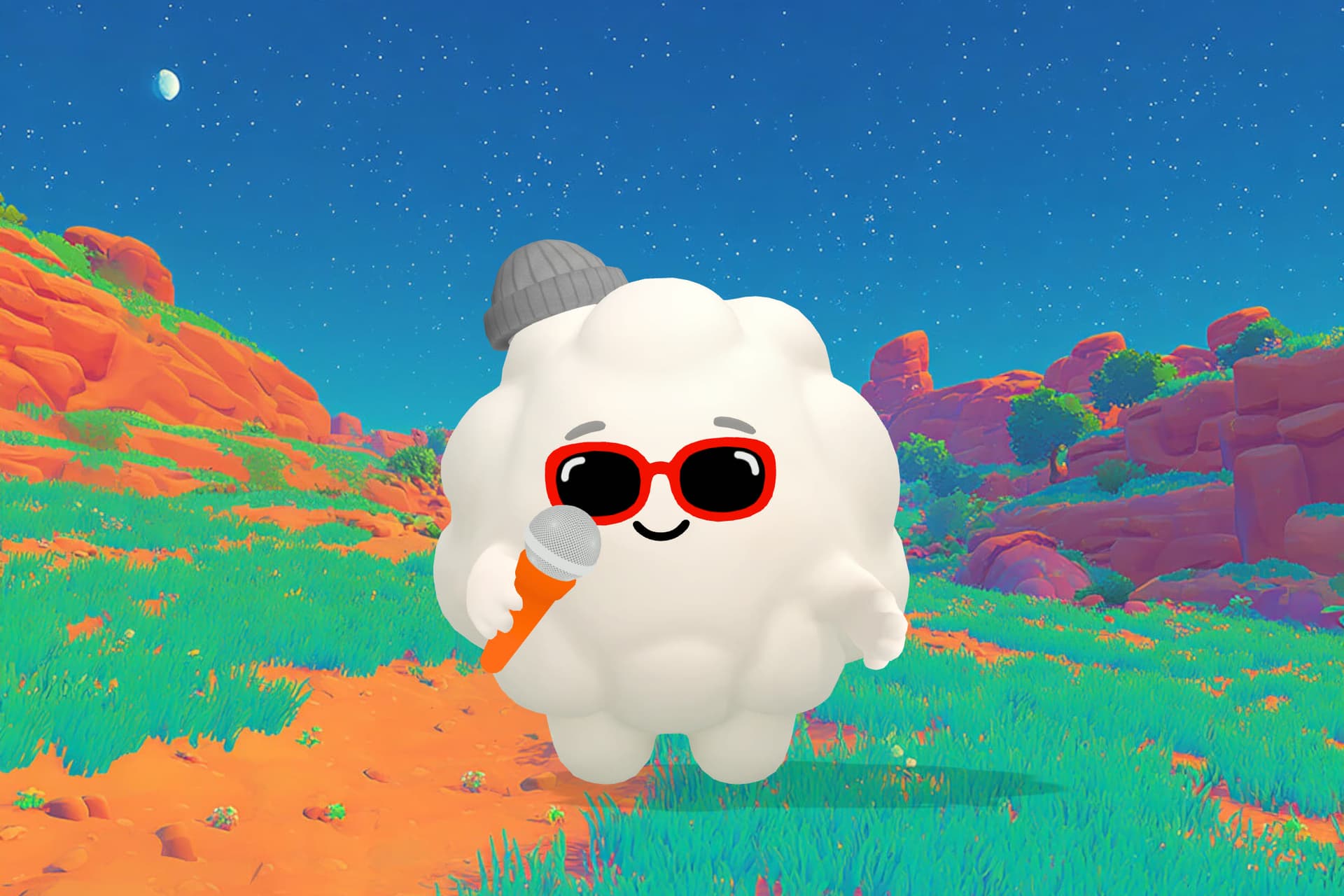
Best Montessori Toys for 1 to 5 Year Olds: A 2026 Guide
One shelf, four years: Montessori toys that carry a child from 1 to 5, from Lovevery kits to Hape wooden sets, with little lessons from AI friend Cleo.
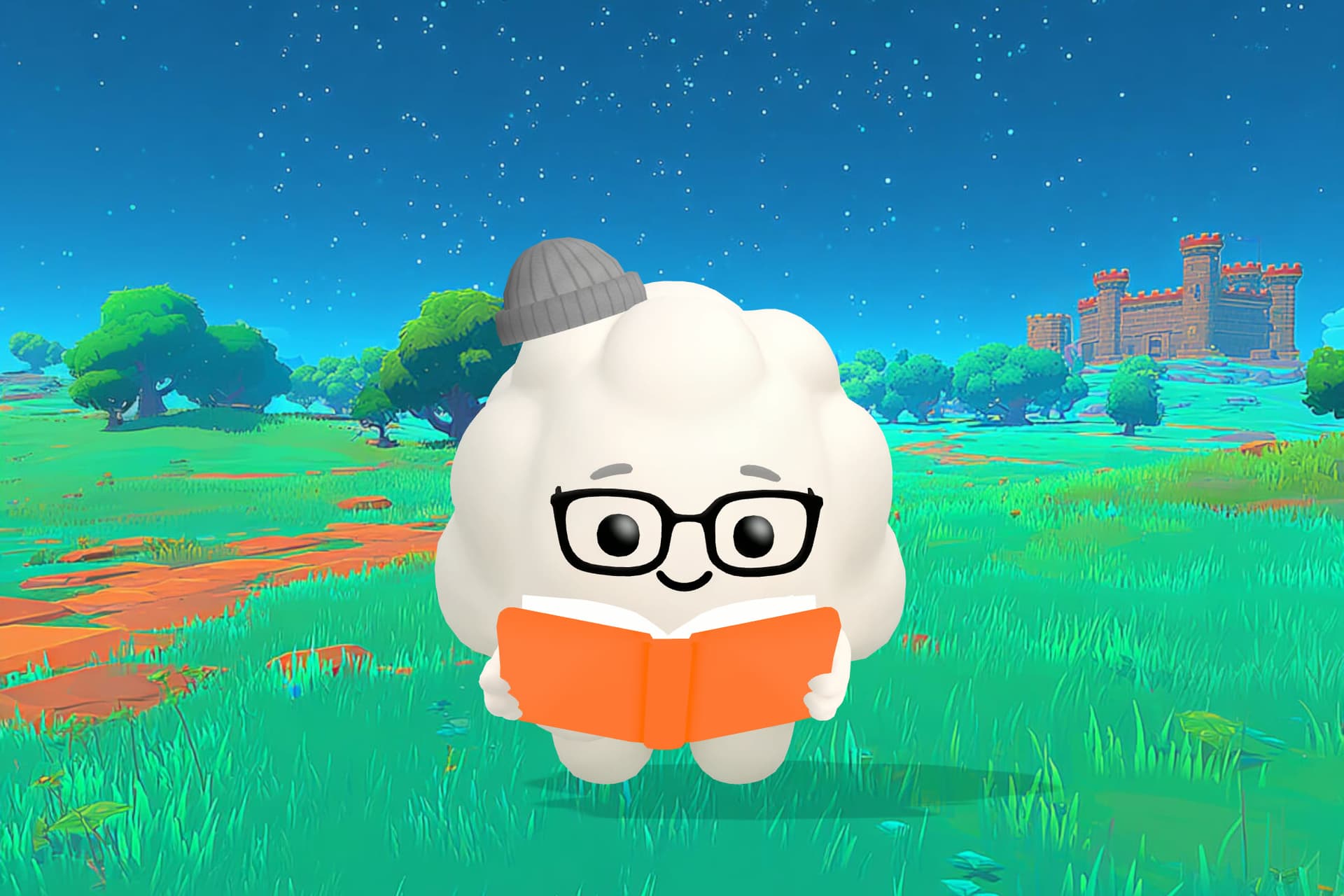
Best Montessori Baby Toys: A Parent's Guide
Wooden, quiet and matched to the stage, Montessori baby toys from Lovevery, PlanToys, Manhattan Toy and Hape, with lullabies from Cleo, an AI friend.