

Quick answer
Teamwork can feel like one of those things kids either have or do not, but it is really a set of skills any child can learn: listening, taking turns, sharing a goal, and valuing what someone else brings. This guide compares the main ways to teach kids teamwork, from cooperative games to building projects and group challenges, and shows where Sleepytale fits, since talking something through with Cleo, its AI friend for kids, and making a lesson, a story, or a song together is its own quiet act of teamwork, at whatever hour your child feels like it.
How to Teach Kids Teamwork at a Glance
| Approach | Cooperative games | Build and cook together | Group projects | Sleepytale |
|---|---|---|---|---|
| What it is | Shared goal games | One creation, many hands | Plan and split a job | AI friend who makes stories, songs, and lessons with your child |
| Best for | First cooperation | Real, shared roles | Older kids planning | Give and take with a patient partner |
| Group size | Two or more | Two or more | A small group | Child and Cleo |
| Screen | None | None | None | Screen on or fully off |
| Builds | Turn taking, sharing | Contribution, roles | Planning, problem solving | Listening, give and take |
| When to use | Anytime | Daytime | Daytime | Any time of day, bedtime included |
Cooperation in Play, and in Making Things Together
It is tempting to label one child a natural team player and another a lone wolf, but cooperation is learned, not fixed. What looks like a knack for teamwork is usually a child who has had lots of practice sharing goals and working out small disagreements, with a patient grown up nearby. Most of that practice happens in active play during the day. There is a quieter version too, where working something out together means one person offers an idea and the other builds on it. That is where Sleepytale fits. Cleo the Cloud is an AI friend your child works with rather than watches: they ask her something or tell her what they want next and she weaves it in, so a little lesson, a personalized story, a musical, a rhyme, or a soft lullaby for children gets built hand in hand, in 17+ languages, screen on or fully off. It is a fair partnership at four in the afternoon and a gentle one at eight at night.
Cooperative Games
Young children learn to work together more easily when the goal is shared rather than a contest with a single winner, so start cooperative and save competition for later. A goal that needs more than one person, like a tower too big to build alone, naturally invites teamwork. Cooperative games are lively and social by day, and when there is no one else around to play with, Cleo makes a patient partner who always takes her turn and never sulks about losing.
Building and Cooking Together
Hands on projects give every child a real job:
- Build it together. Challenge two or more kids to build a single tall tower or a long train track, where everyone adds pieces toward one creation.
- Cook as a crew. A simple recipe with steps to share, like washing, mixing, and pouring, gives everyone a real job and a tasty result.
- The one piece puzzle. Take turns adding a single puzzle piece, so the picture only finishes if everyone keeps contributing.
When each child knows their part, they spend energy on the job instead of squabbling over the same one. Making something with Cleo works the same way, one idea from your child, one from her, until the story or the song is theirs together.
Group Projects and Relays
For older children ready to plan and divide a job, bigger projects and relays shine. Set up a friendly relay where each child has a different task, so the team only succeeds when the parts come together, and step in to coach rather than to referee, asking helpful questions like how the group could solve a snag rather than settling every dispute for them. A quick chat afterward about what went well teaches the habits behind the fun, and building something with Cleo, where your child leads and she follows, gives that same skill a quieter workout.
Teamwork Lessons by Age
Matching the activity to your child's stage keeps it fun rather than frustrating:
- Toddlers and young preschoolers. Focus on the building blocks of teamwork, mainly taking turns and sharing, with plenty of help and very short activities.
- Preschoolers. Children can now share a simple goal and begin to see how their part fits the whole, so cooperative games shine here.
- School age children. Kids can plan, assign roles, and solve problems as a group with less help from you, making this the time for bigger projects and gentle reflection afterward.
The steady thread through all of it is your example, since children absorb what good teamwork looks like when they watch the grown ups around them cooperate and share credit.
How to Coach Teamwork Without Arguments
A few moves keep cooperation feeling rewarding instead of fraught:
- Give clear roles. When each child has their own part, they stop competing for the same one.
- Keep groups small. Fewer children means more turns and less chaos.
- Coach, do not referee. Ask questions that help the group solve the snag themselves.
- Talk it over afterward. Name what went well so the habits stick.
- Tell a story in turns. Make one with Cleo, taking turns on what happens next, the quietest teamwork of all.
The Bottom Line
Each approach builds the same muscles in a different way. Cooperative games teach turn taking, building and cooking together give each child a real role, and group projects grow planning and problem solving. Together they show a child that their contribution matters.
Verdict: Use cooperative games, shared building, and group projects to grow teamwork during the day. Then hand your child a partner of their own in Cleo, building a story, a song, or a small lesson together in a way that quietly rewards the listening and give and take that good teamwork is made of.
Frequently Asked Questions
How do you teach teamwork to kids?
You teach teamwork by giving kids shared goals they cannot reach alone, then guiding them to take turns, listen, and divide a job. Start with cooperative games rather than competitive ones, model good teamwork yourself, and talk about what went well so they learn the habits behind working together.
What are good teamwork activities for kids?
Building something together, cooking a simple recipe as a team, a group puzzle, a relay where everyone has a role, or a building challenge where each child adds one piece all work well. The best activities have a goal that genuinely needs more than one person to reach it.
At what age can kids learn teamwork?
Simple cooperation starts around age 3 to 4, when children can take turns and share a goal with help. Real teamwork, where kids plan and divide a job among themselves, develops through the school years. Match the activity to your child's stage and keep early experiences short and fun.
How do I teach my child to work with others without arguing?
Give each child a clear role so they are not competing for the same job, keep groups small, and step in to coach rather than to referee. Talk through disagreements calmly afterward and praise the moments they listened or compromised, so cooperation feels rewarding.
Why is teamwork important for children?
Teamwork builds communication, patience, and problem solving, and it teaches children that their contribution matters. These skills carry into school, friendships, and later work. Learning to listen, share a goal, and value other people's ideas is a foundation for almost everything social.
A Partner Who Always Takes Her Turn
Sleepytale is an AI friend for kids, Cleo the Cloud, and making something with her is a two person job: your child asks or says what they want next and Cleo builds it in, as a little lesson, a story, a lullaby, a rhyme, or a whole musical, in 17+ languages, screen on or fully off. Make one on the way to school, one after lunch, and another as the lights go down. Try it free today.
Looking for more sleepytale vs competitors?
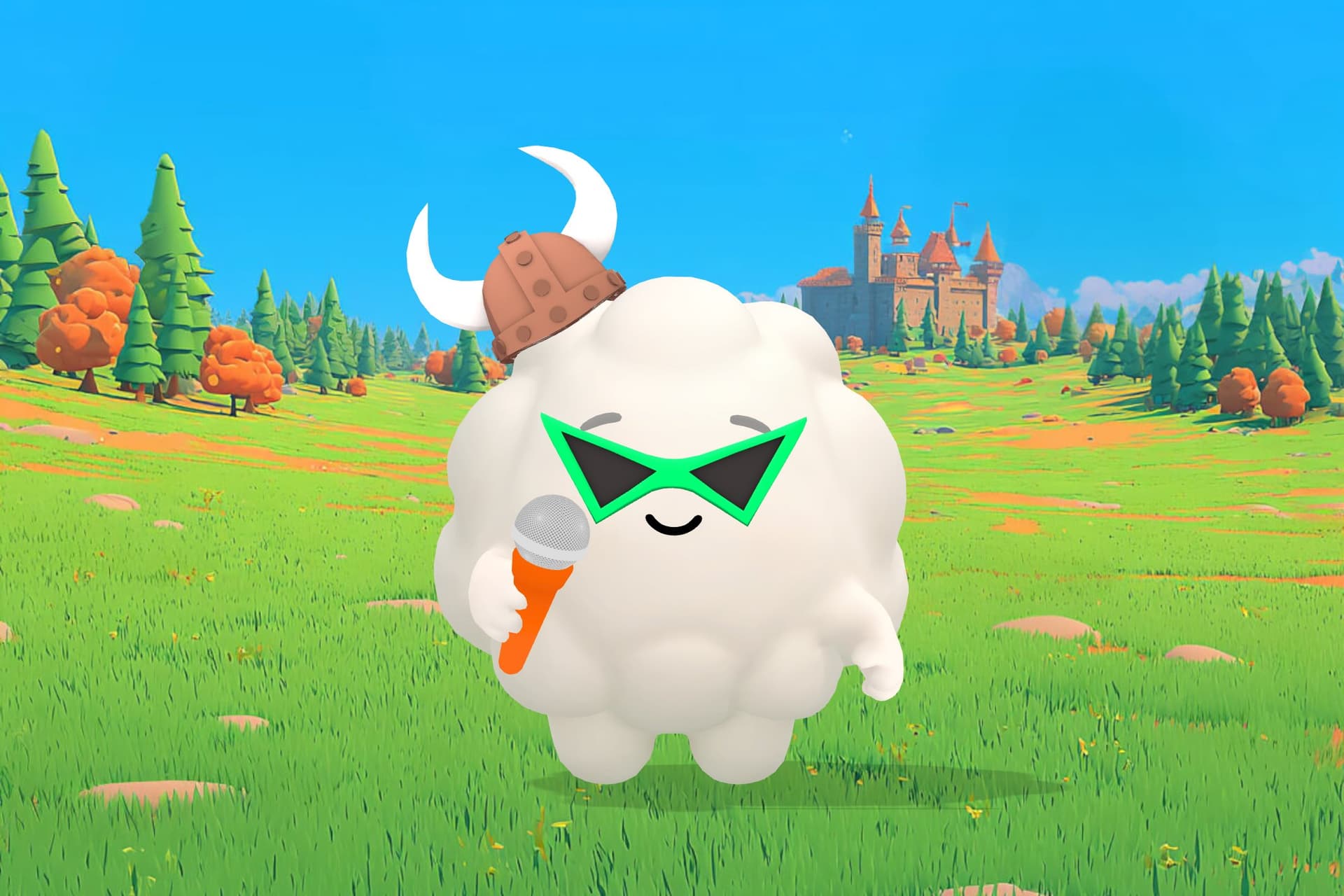
Best Podcasts to Fall Asleep To in 2026
The best podcasts to fall asleep to, compared, and why Cleo is different: an AI friend for kids who makes a bedtime story for your child alone.

Best AI Story Generators for Kids in 2026
Which story generator for kids is worth it? ChatGPT, Gemini and Copilot compared, plus Cleo, an AI friend who tells your child their own story.
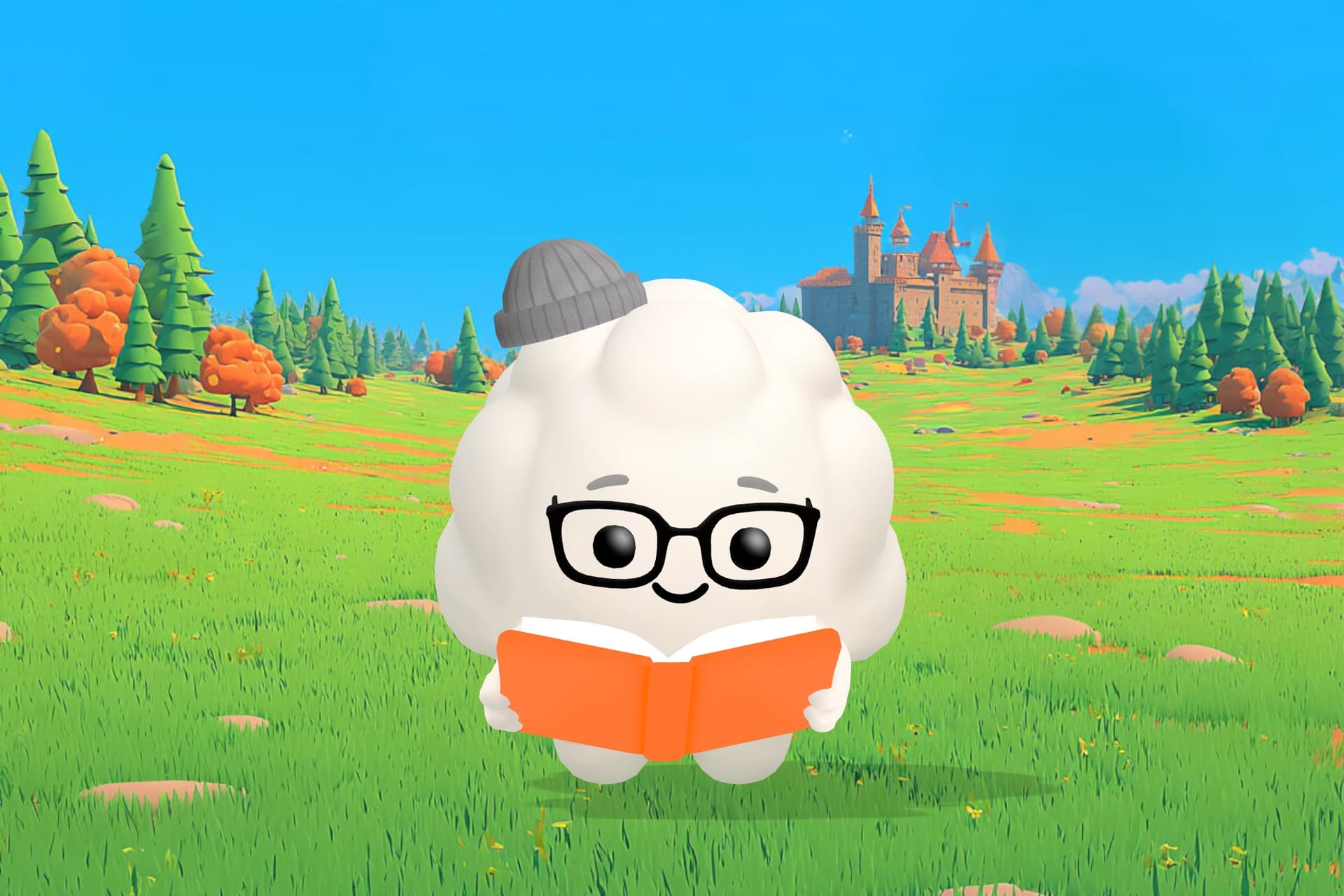
Best AI Image to Story Generators in 2026
Every AI image to story generator writes text back. Cleo, an AI friend for kids, turns the picture your child describes into a story read aloud.

Montessori Practical Life Toys Toddlers Love
Pouring, spooning and sweeping in toddler size: practical life toys from Lovevery, PlanToys, Melissa & Doug and Hape, plus lessons from AI friend Cleo.
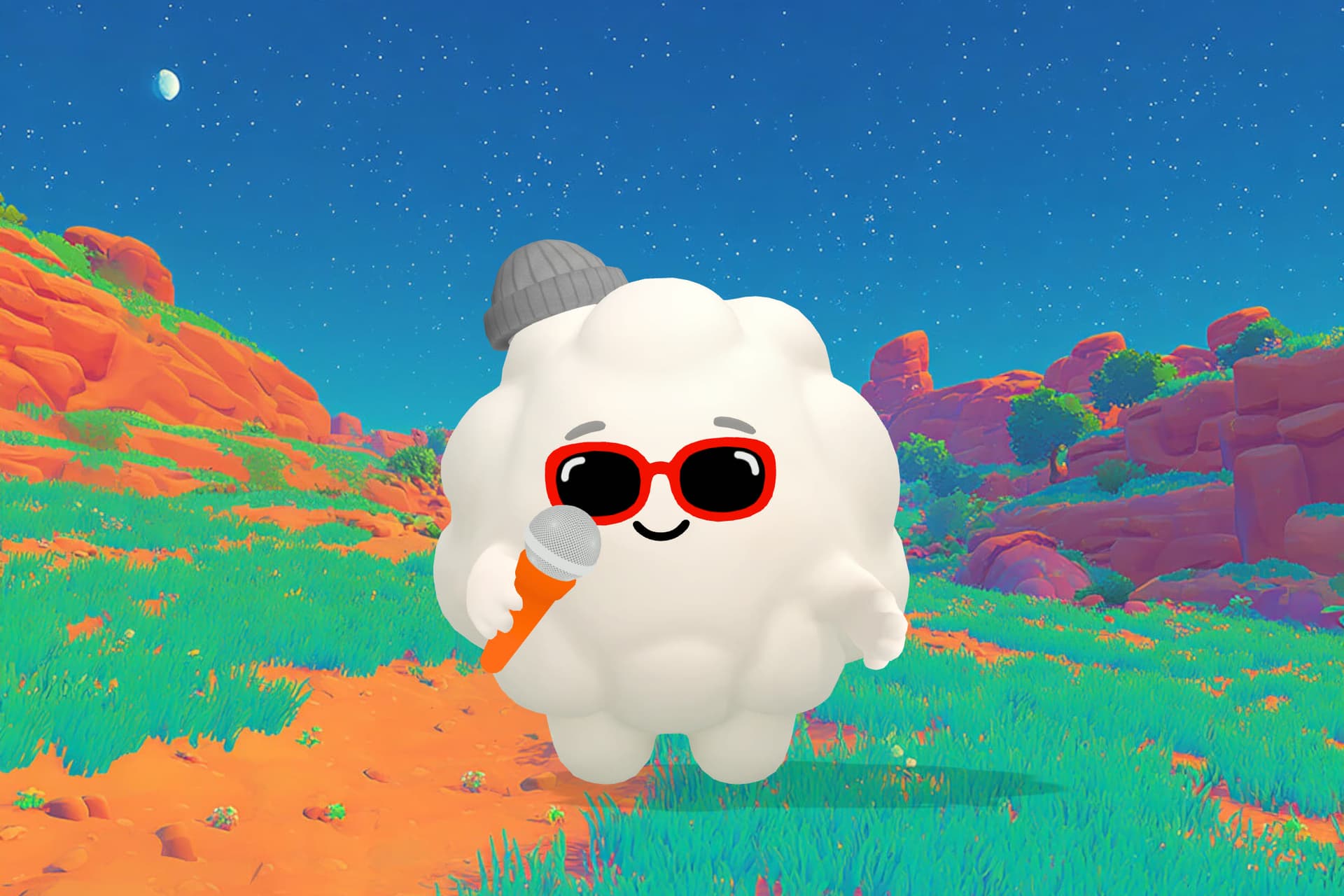
Best Montessori Toys for 1 to 5 Year Olds: A 2026 Guide
One shelf, four years: Montessori toys that carry a child from 1 to 5, from Lovevery kits to Hape wooden sets, with little lessons from AI friend Cleo.
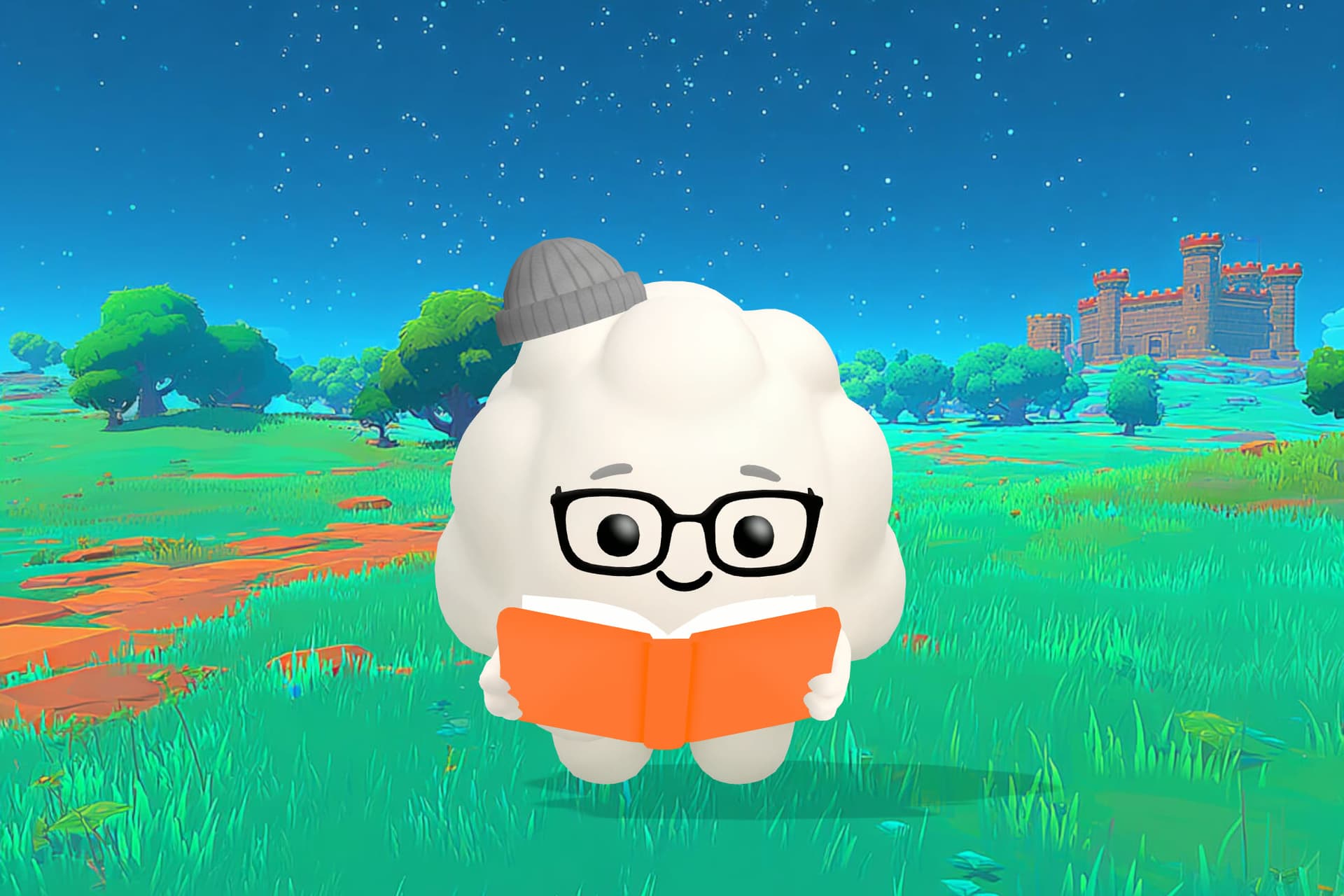
Best Montessori Baby Toys: A Parent's Guide
Wooden, quiet and matched to the stage, Montessori baby toys from Lovevery, PlanToys, Manhattan Toy and Hape, with lullabies from Cleo, an AI friend.