

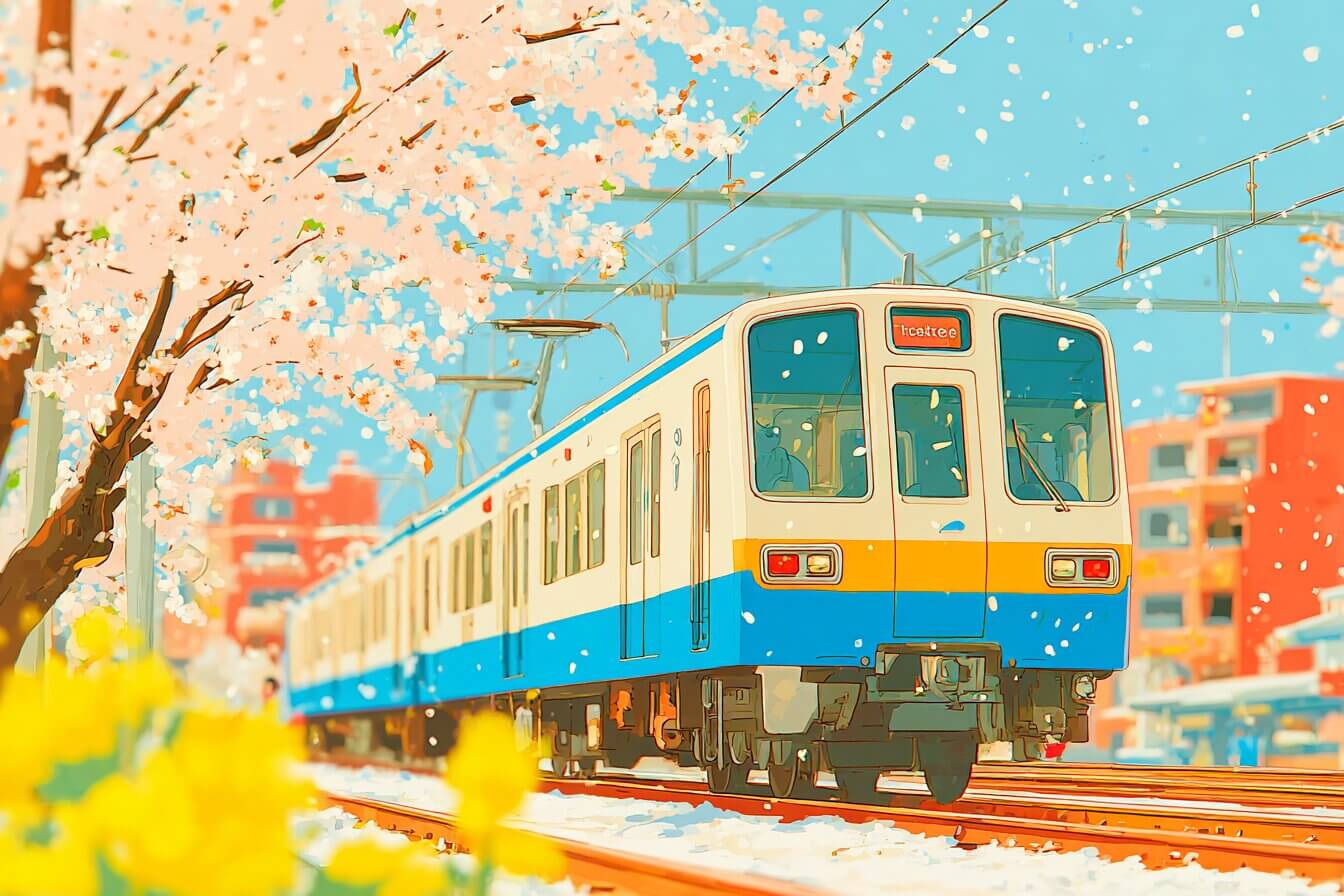
There is something about train platforms at night that makes a child's imagination stretch wide open, as if the whole city is holding its breath right alongside them. In this story, a girl named Hana discovers a cherry blossom painted train hiding in a quiet Tokyo station, and each stop pulls her deeper into a world where memories glow and paper foxes bow. It is one of the loveliest Tokyo bedtime stories for winding a busy mind down to something soft and still. If you would like to shape your own version with different characters, settings, or a sleepier pace, try building one inside Sleepytale.
Why Tokyo Stories Work So Well at Bedtime
Tokyo has a rhythm that mirrors the best kind of bedtime ritual: bright energy giving way to something quieter. Children can feel the hum of a busy station, then watch it dissolve into petals and starlight. A bedtime story set in Tokyo lets kids ride that transition from wakefulness to wonder in a way that feels natural, like the city itself is dimming its lights for them.
There is also the simple magic of trains. A train carries you somewhere without asking you to run or climb; you just sit and watch the world change outside the window. For a child settling into sleep, that gentle forward motion is deeply reassuring. It tells them that even when the day is over and the platform is empty, the next stop is always something warm.
The Sakura Express 7 min 27 sec
7 min 27 sec
In the heart of Tokyo, where the trains zoom faster than dragonflies over a pond, lived a small girl named Hana.
Every morning she pressed her nose against the cool window of the Shinkansen line and watched the silver bullets glide in. Her breath fogged a circle on the glass. She always drew a star in it with her finger before it faded.
To most people they were only machines. But Hana knew better.
She had seen cherry blossom petals dance around them in impossible spirals, long after the wind had stopped, curling upward like they had somewhere particular to be.
One evening, when the station was nearly empty and the overhead lights buzzed that high thin note they only make past nine o'clock, Hana stepped onto Platform Nine.
Pink blossoms drifted down, though the trees outside were still locked in tight green bud.
A train waited there. Its sides were painted with sakura instead of the usual blue stripe, and the paint looked wet, as if someone had finished only minutes ago.
The doors sighed open.
Hana's red shoes carried her aboard before her mind could ask questions.
Inside, the ceiling glowed like moonlight on water. Every seat was shaped from twisting branches that bloomed as she watched, tiny white buds cracking open with a sound like someone cracking the spine of a brand new book.
The conductor wore a cloak of petals that never fell. He smiled and told her the train rode the border between now and wonder, then he punched the air where a ticket should have been and the sound it made was a small bell ringing.
The platform dissolved into soft pink mist. The train lurched forward, yet Hana felt no weight, only a warmth behind her ribs, the same feeling she got when her mother hummed without realizing it.
Through the window she saw Tokyo folding into itself, buildings flipping like pages in a pop up book until they became a field of low white flowers that hummed lullabies.
The conductor announced the first stop: Memory Garden.
Hana's grandmother had told stories of this place, where forgotten dreams grew like dandelions.
The train slowed beside a lake of liquid starlight.
A small hatch opened in the floor and a velvet paw offered Hana a silver ticket. She took it. The paw retreated without a word, though she heard a faint purr as it vanished.
She stepped onto grass that felt like warm cake.
Fireflies shaped like music notes drifted past. She caught one and heard her grandmother's voice singing the lullaby from when she was three, the one about the tanuki who carried the moon home in a bucket. Hana had not thought of that song in years.
Tears filled her eyes, but they turned into tiny crystal beads and rolled into the lake, making rings that showed pictures of birthdays she had nearly forgotten. There was the one where she wore the yellow hat. There was the one where the cake fell and everyone laughed so hard they forgot to be upset.
When the train whistle sounded, she ran back, pockets full of glowing seeds that promised to grow into happy memories whenever she felt sad.
The second stop was Whispering Paper Town.
Every building here was made of origami cranes that flapped their wings when the wind told jokes. One crane near the entrance kept flapping off rhythm, as if it found its own private punchline funnier than everyone else's.
A paper fox trotted alongside Hana, inviting her to fold the moon into a boat. She laughed and tried. To her amazement the moon bent like soft tinfoil, and the fox sat back on its haunches and nodded once, very seriously, the way a teacher does when you finally get the answer right.
She set the moon boat on a river of ink and climbed in. Paper fish jumped around her, poems written across their scales in handwriting so small she had to squint.
Hana read them aloud and the words turned into tiny paper airplanes that flew back to the train, stacking themselves into a book titled Hana's Own Story.
At the far bank the fox bowed and gave her a single silver paper whisker. It would let her fold time whenever she needed an extra minute of kindness. Hana tucked it behind her ear.
The train whistle sang again, deeper now, like a cello made of thunder.
The third stop was Future Orchard, where minutes grew on trees. Each fruit showed a tomorrow: one held her first painting hung in a gallery, another showed her older self teaching a little boy to plant cherry seeds. In a third she saw herself sitting on a train much like this one, reading a book to someone she did not recognize yet.
Hana wanted to pick every fruit. But a gentle deer with antlers of clock hands stepped forward and shook its head slowly. Some futures are best reached one day at a time. The deer did not say this aloud. Hana simply understood it from the way the clock hands ticked, patient and unhurried.
Instead the deer let her plant a seed of Now. She pressed it into the soil and watered it with laughter, a real laugh, the kind that starts in your stomach.
A sprout shot up, blooming into a pocket watch whose hands moved only when she felt grateful. She tucked it safe and promised to wind it with thank yous.
The conductor appeared beside her, petals swirling faster now.
He said the last stop was near. She must choose: stay in the magical country or ride home.
Hana thought of her parents, of warm rice and the way her father always burned his tongue on the miso because he could never wait.
She loved the enchantment. But wonder shared grows stronger. She knew that the way she knew her own name.
She climbed back aboard, cheeks pink as petals.
The train roared like a dragon made of wind chimes.
Tokyo folded back into place, buildings popping upright, neon flickering on one sign at a time. The sakura painted train slowed at Platform Nine.
Doors opened onto familiar grey tile.
Hana stepped off, pockets glowing softly.
The silver ticket turned into a real train pass that read Anywhere You Imagine. She ran her thumb over the letters. They were slightly raised, like Braille.
The station looked the same, yet cherry blossom petals drifted around her feet though the city trees were bare.
She knelt and planted one glowing seed from Memory Garden.
A small sprout rose, blooming instantly, scattering pink snow across the platform.
Commuters stopped. Eyes wide, mouths forming soft Os.
Phones came out, but the petals slipped through screens like moonlight through fingers.
Hana smiled. The magic lived here now.
Every time a train rushed in, petals would swirl, reminding busy hearts that wonder rides beside the ordinary, needing only a ticket of belief.
She ran home, folding time with the fox's whisker to reach the table while rice was still steaming.
That night she told her parents everything. Her father listened with his chopsticks frozen halfway to his mouth.
They tucked her into bed beneath paper airplanes that now hung from her ceiling, each inscribed with a poem from the paper fish.
Outside, the city trains kept zooming. But if you stand on Platform Nine at the right hour, you can still see pink petals drifting, and sometimes a little girl with red shoes waves from the window of an invisible train, heading off to plant more seeds of wonder across the wide awake world.
The Quiet Lessons in This Tokyo Bedtime Story
This story is gently layered with ideas about memory, patience, and the choice to share something beautiful rather than keep it for yourself. When Hana's tears in Memory Garden turn into crystal beads that reveal forgotten birthdays, children absorb the comforting thought that nothing truly happy ever disappears for good. The deer in Future Orchard, with its clock hand antlers and slow shake of the head, shows kids that rushing toward tomorrow means missing the seed you can plant right now. And Hana's decision to ride home instead of staying in the enchanted world is the sort of quiet reassurance a child needs before sleep: the ordinary place where your family waits is its own kind of magic, and you can always visit wonder again tomorrow.
Tips for Reading This Story
Give the conductor a calm, low voice, almost a whisper, and let the paper fox sound quick and slightly amused, like it knows a joke it is not telling yet. When Hana catches the firefly and hears her grandmother's lullaby, slow your pace and actually hum a few notes of any lullaby your child knows; the story pauses naturally there and it helps the scene land. At the moment the deer shakes its head in Future Orchard, try a long, quiet pause before moving on, and let your child sit with the silence.
Frequently Asked Questions
What age is this story best for?
It works best for children ages 4 to 8. Younger listeners love the vivid images like the moon boat and the velvet paw offering a ticket, while older kids connect with Hana's choice to leave the magical world and come home to her family. The vocabulary stretches gently without overwhelming.
Is this story available as audio?
Yes. Press play at the top of the story to listen. The audio version brings out the rhythm of the train stops especially well, and the shift from the bustling station to the quiet of Memory Garden sounds wonderful when heard aloud. The conductor's announcements and the deeper train whistle at the third stop are moments that really come alive in narration.
Does the story include real places in Tokyo?
The Shinkansen line is real, and any child who has visited or seen pictures of Tokyo's busy train platforms will recognize the setting. The magical stops, like Memory Garden and Whispering Paper Town, are imaginary, but the story's grounding in a real station helps kids feel the enchantment could be waiting just one platform over from everyday life.
Create Your Own Version
Sleepytale lets you build a personalized bedtime story set in Tokyo with whatever details feel right for your family. Swap Hana for your child's name, trade the sakura train for a glowing night bus through Shibuya, or turn the paper fox into a tanuki with a mischievous streak. In a few moments you will have a gentle, dreamy story ready to read or replay whenever bedtime calls.
Looking for more travel bedtime stories?
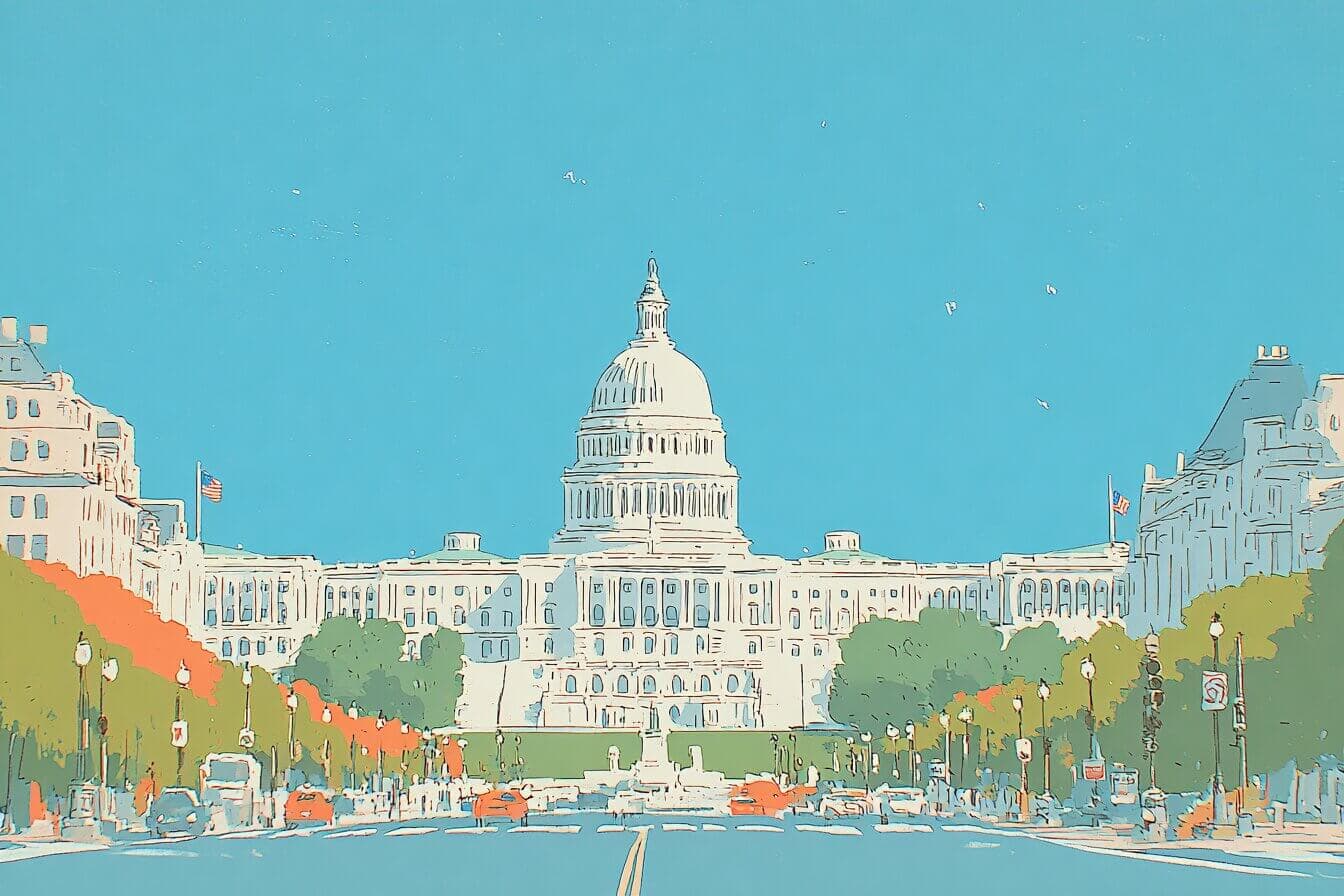
Washington Dc Bedtime Stories
Ellie steps into bright marble streets and learns how big ideas become kind choices in short washington dc bedtime stories. A calm tour turns curiosity into comfort.
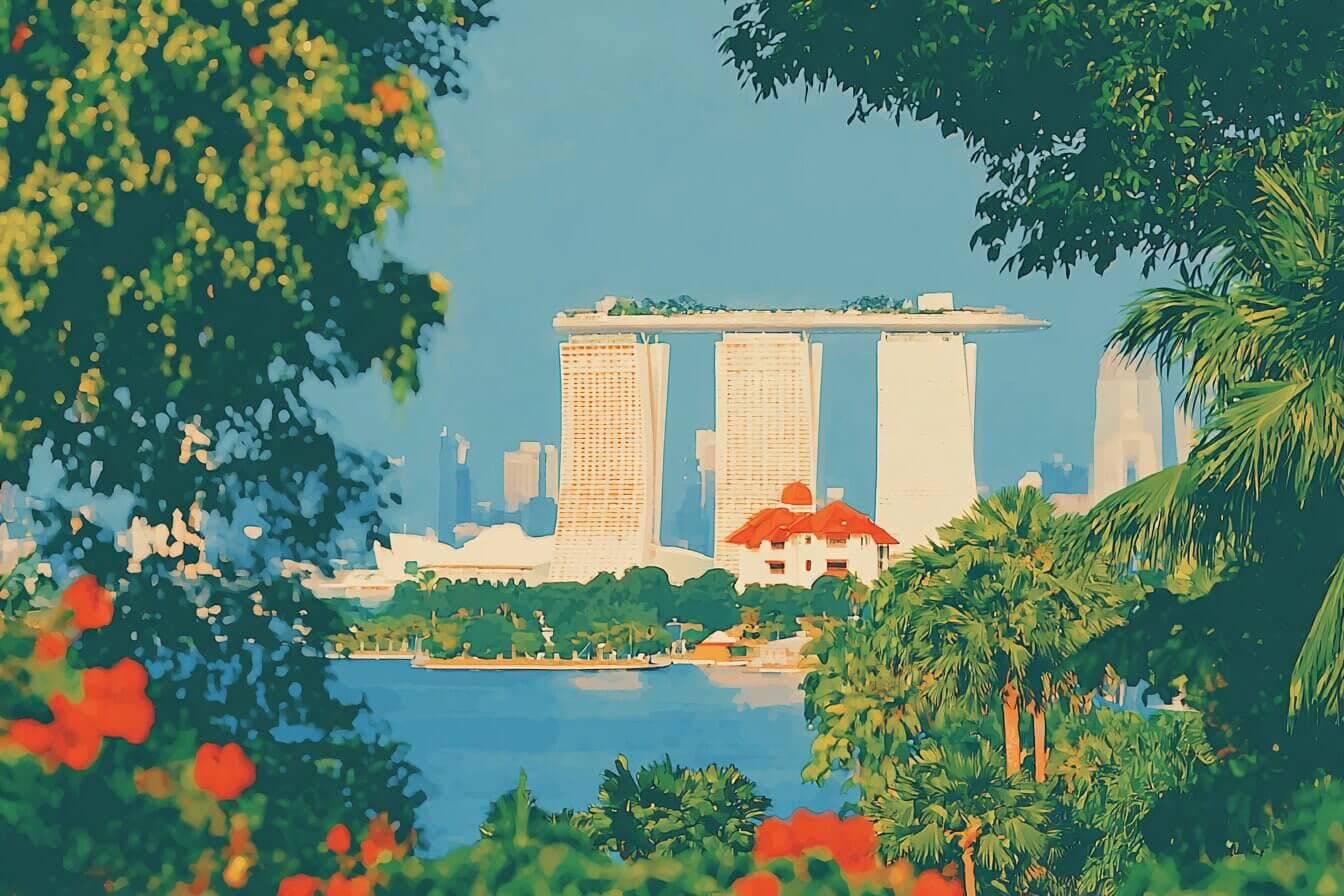
Singapore Bedtime Stories
Lily arrives in Singapore and discovers rooftop gardens that float between towers in short singapore bedtime stories. She follows a humming seed to a gentle riddle and a citywide bloom.

Shanghai Bedtime Stories
Looking for short shanghai bedtime stories that feel calm and magical for kids? Read a gentle shanghai bedtime story and learn how to make your own cozy version in Sleepytale.

Sf Bedtime Stories
A foggy bridge becomes a quiet portal where a child rescues drifting dreams. Read short sf bedtime stories that glow with wonder and end in calm.
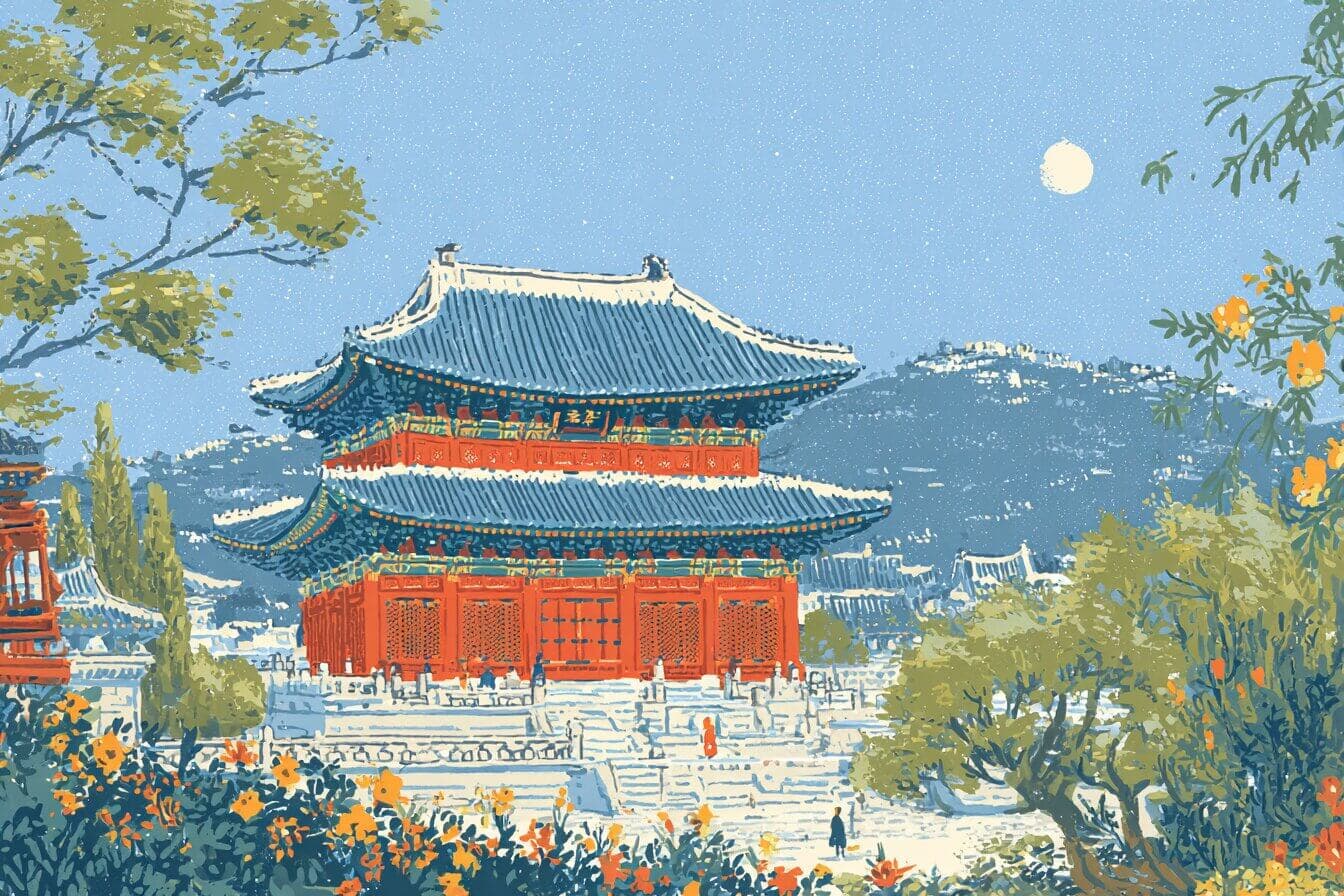
Seoul Bedtime Stories
Soothe bedtime with short seoul bedtime stories that blend gentle city sights, kind choices, and cozy calm for kids. Read a quiet Seoul adventure that settles little minds fast.

Seattle Bedtime Stories
Drift into calm with short seattle bedtime stories that turn gentle rain, warm lights, and quiet landmarks into a soothing bedtime read for kids and grownups.