
Lullabies With Dark Meanings
By

Dennis Wang, Bedtime Story Expert
3 min 0 sec
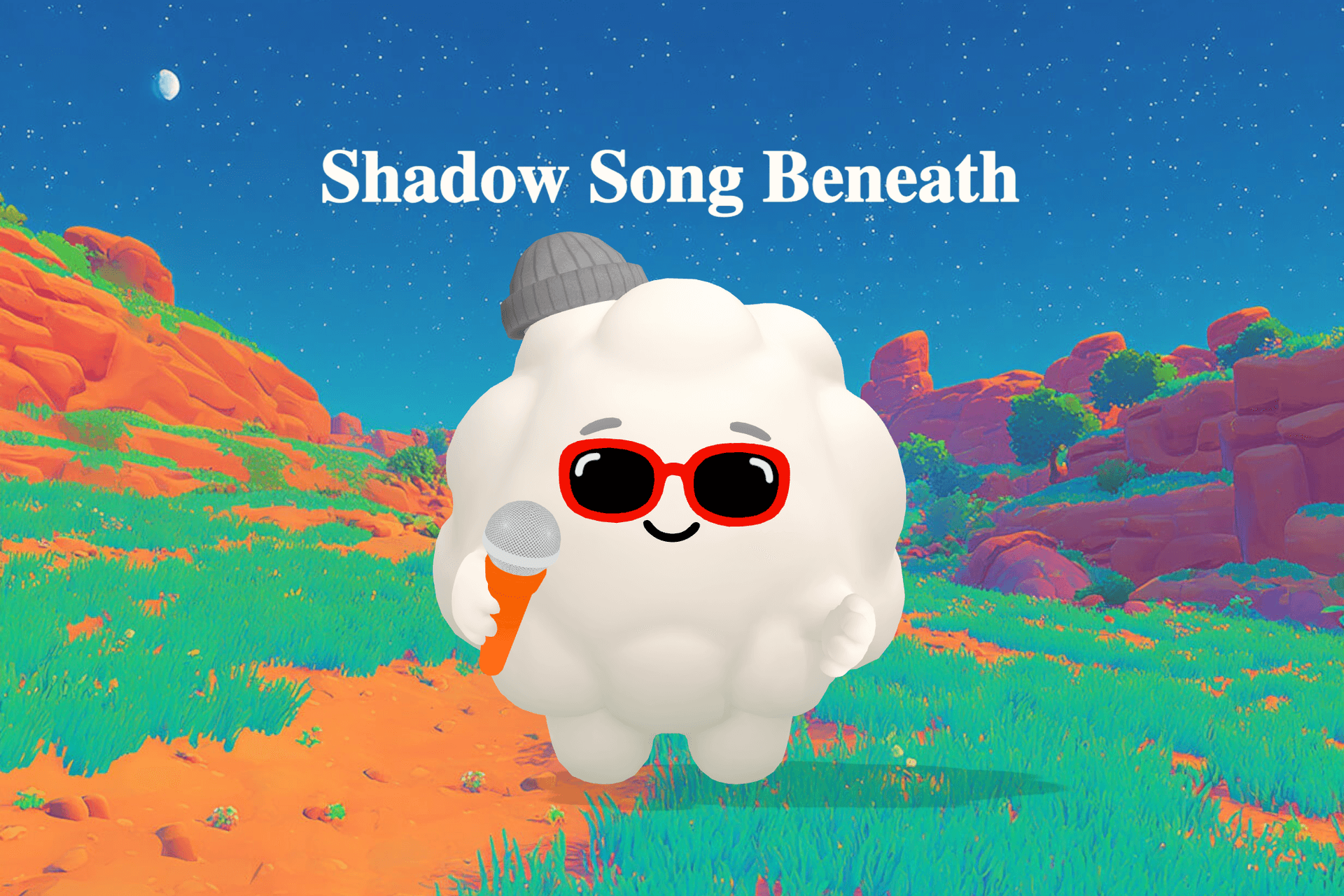
Quick answer
Many lullabies with dark meanings use eerie imagery to create stillness rather than fear, and Shadow Song Beneath is a clear example. Its owls crying softly past black trees and stars drifting through motionless night scenes mirror a resting heartbeat, helping children from newborn to age five release alertness and settle into sleep.
Picture a quiet night where wind hums low through black trees, stars drift slowly overhead, and a soft owl call echoes somewhere in the distance. Shadow Song Beneath is one of those lullabies with dark meanings that transforms eerie stillness into a surprisingly gentle invitation to close weary eyes. You can create a personalized version with Sleepytale.
Why Dark Lullabies Soothe at Bedtime
A slow melody about darkness works almost like a heartbeat whisper. When a parent sings in a low, steady cadence, a child's nervous system begins to mirror that calm. The pace matters more than the words at first; a voice held just above a murmur, cycling through the same gentle rise and fall, tells a small body that nothing urgent is happening. That trust lives in the familiar voice itself, whether a parent is singing live or a well loved recording fills the room. Sensory anchors are what give dark songs at night their quiet power. A child hears about mist settling softly, about trees standing still, about stars moving slowly, and these images paint a world where nothing rushes. Repetition deepens the effect. When the same verse loops back, a toddler does not need to wonder what comes next; the brain releases its grip on alertness and drifts toward rest. Soft, dim imagery paired with a returning melody creates a reliable circle of calm that a child's body learns to anticipate night after night.
Shadow Song Beneath 3 min 0 sec
3 min 0 sec
Cold gray mist creeps through the hall,
footsteps whisper, soft on stone,
echoes fade beyond the wall,
where no candle light has shone,
cold hands press your heart to calm,
quiet now, you are not alone.
The dark night wind hums low and cold,
stars drift past the black old trees,
owls cry soft where shadows hold,
hush now, weary eyes find ease,
close them gently, sleep unfold.
Deep blue waves pull at the boat,
winds blow cold across the sea,
water laps a somber note,
lifting where the lost souls flee,
pray now, silent hearts still float,
rest your bones and drift with me.
The dark night wind hums low and cold,
stars drift past the black old trees,
owls cry soft where shadows hold,
hush now, weary eyes find ease,
close them gently, sleep unfold.
Why This Dark Lullaby Helps at Bedtime
Shadow Song Beneath moves at a pace that mirrors a resting heartbeat, each line unfolding slowly enough for a child's breathing to settle alongside it. The imagery stays deliberately still: wind humming low through black trees, stars drifting without hurry, an owl calling softly in the distance. These are not busy pictures that spark excitement. They are quiet, almost motionless scenes that invite the body to soften rather than stir. The returning chorus, with its familiar call to close weary eyes, does much of the calming work by the second or third pass. A child no longer needs to process what comes next; the melody becomes predictable, and that predictability is itself a comfort. Pair this song with the same dim lamp, the same blanket, the same quiet moment each evening, and it becomes a sleep cue the body recognizes before the mind catches up. Many parents notice their little one's shoulders drop and breathing slow at the very first verse once the routine takes hold.
What This Dark Lullaby Captures
The wind humming low through black trees paints a world that is vast but unhurried, giving a child the feeling that everything outside has slowed down just for them. Owls crying softly in the distance suggest that other creatures are awake and watchful, which can feel like a kind of quiet companionship in the dark. The mist creeping through old halls carries a sense of mystery, yet the steady heartbeat mentioned alongside it anchors the listener in something solid and safe. Even the image of weary eyes closing gently mirrors exactly what a child's body is doing, turning the song into a soft reflection of their own surrender to sleep.
How to Sing It at Bedtime
When you reach the line about stars drifting slow past black trees, let your voice drop to barely above a whisper and stretch each word a little longer than feels natural. On the repeating chorus where weary eyes close gently, try resting your hand on your child's chest so they can feel their own steady heartbeat matching the melody's pace. Each time the shadow lullaby refrain returns, sing it slightly softer than the last, so the song seems to fade into the quiet all on its own.
Frequently Asked Questions
What age is this lullaby best for?
Shadow Song Beneath works well for infants through preschoolers, roughly newborn to age five. The slow, repetitive structure and simple sensory images like wind humming and stars drifting are easy for even the youngest listeners to absorb without overstimulation. Older toddlers and preschoolers may especially enjoy the gentle mystery of the echoing halls and soft owl calls.
Can I play this lullaby on repeat?
Yes, and this song holds up beautifully on repeat. The looping chorus about wind humming low and stars drifting past black trees becomes more soothing with each pass, not less. Just press play at the top of the page and let the steady rhythm of owls calling and weary eyes closing carry your child through the night.
Will the dark imagery in this lullaby frighten my child?
The darkness in Shadow Song Beneath is portrayed as still and peaceful rather than threatening. Images like stars drifting slowly, wind humming softly, and weary eyes closing gently all frame the night as a calm, safe place. Children tend to take their emotional cues from a parent's voice, so singing these lines warmly turns every shadow into a quiet comfort.
Create Your Own Version
Sleepytale turns your family's favorite ideas into personalized lullabies with gentle melodies and calming lyrics crafted just for your child. You can swap the black trees for a backyard oak, replace the owls with your little one's favorite stuffed animal, and set the scene in a cozy blanket fort instead of misty halls. In just a few moments you will have a one of a kind bedtime song your child can hear every night, wrapped in familiar details that make sleep feel safe and personal.
Looking for more spooky lullabies?
Scary Lullabies
Discover how scary lullabies can soothe your child with pale candlelight and whispering shadows drifting gently through the night.
Sad Lullabies
A lone bird calls through the quiet sky in one of the most tender sad lullabies, turning sorrow into stillness before sleep.
Ruined Lullaby
A flickering candle and cracked mirror set the tone for this ruined lullaby, where shadows drift and echoes fade into stillness.
Dark Lullabies
Gentle melodies and velvet mist guide your child to sleep with dark lullabies that soften the night into calm.
Creepy Lullabies
Do creepy lullabies help children drift off as whispering winds and flickering candles fill the melody?