

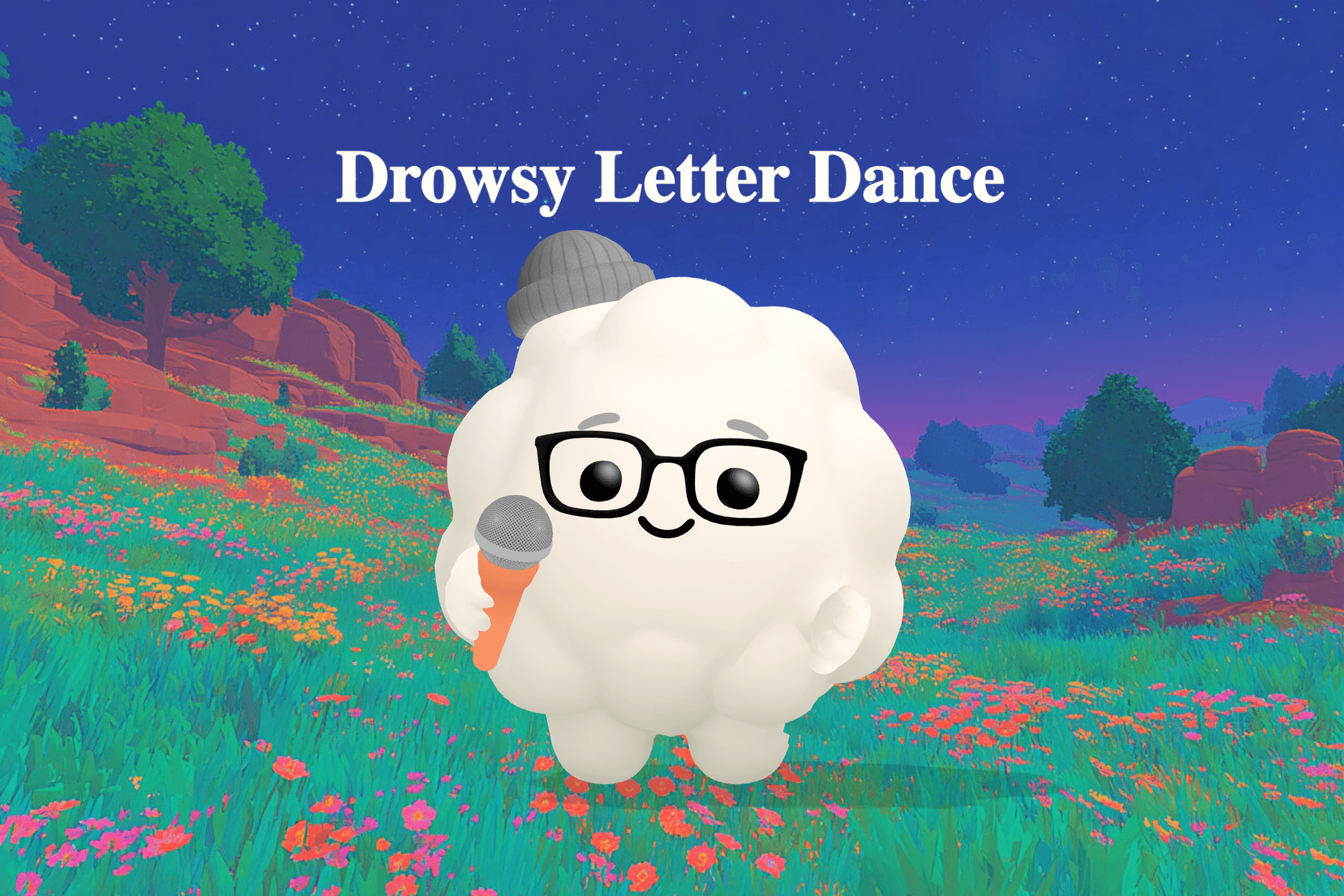
Quick answer
An abc lullaby like Letter Lesson eases young children toward sleep by turning the familiar alphabet sequence into a slow, drowsy melody set beneath a constellation sky. Glowing letters spin gently through moonlight while calm waves roll under dim starlight, giving a child's imagination just enough motion to follow without excitement. The repeating chorus circles back multiple times, building a loop of familiarity that quiets the mind and softens the body into restful sleep.
Picture glowing letters spinning slowly through a constellation sky while calm waves roll beneath dim starlight and a gentle breeze carries each note away. This abc lullaby guides your child from the familiar comfort of the alphabet into a peaceful, drowsy drift toward sleep. You can create a personalized version with Sleepytale.
Why Abc Lullabies Soothe at Bedtime
When a parent hums the alphabet in a slow, drawn out melody, the tempo naturally drops close to a resting heartbeat. That steady, unhurried cadence sends a signal to a child's nervous system: everything is safe, nothing needs attention. A familiar voice layered over that rhythm deepens the effect, because young children already associate that voice with comfort and protection. Even a quiet recording can work when it carries the same gentle pacing night after night. Alphabet songs at night tap into imagery children already know, and that recognition itself is calming. Hearing a sequence they can predict, letter by letter, creates a loop of familiarity that quiets the anxious part of the brain still scanning for surprises. Pair those letters with soft sensory anchors like moonlit skies, floating notes, and slow spinning shapes, and each verse becomes a small shelter the mind settles into. When the same chorus returns for the second and third time, the child's body releases a little more tension, trusting that nothing new or startling is on its way.
Letter Lesson 2 min 8 sec
2 min 8 sec
Fantastical in constellation sky
Melodious glyphs hop and spin slow
Constellation of fantastical we melodious we soft steps drift into night time now
And an ancient of alphabetic song
Serenity a B C D E And an
Ancient of alphabetic we serenity we a B C dreaming to rest now
Harmonical unhypnotical breeze
Tranquility notes float by moonlight
Tranquility of harmonical we hypnotical we comelys roll under dim starlight And an
Ancient of alphabetic song
Serenity a B C D E And an
Ancient of alphabetic we serenity we are B C dreaming to rest now
Why This Abc Lullaby Helps at Bedtime
Letter Lesson unfolds at a pace that mirrors a calm, resting heartbeat. The glyphs that hop and spin slowly give a child's imagination just enough motion to follow without excitement, while the constellation sky overhead and the calm waves rolling under dim starlight offer cool, quiet pictures that soften the mind. Busy, bright imagery tends to energize; these images do the opposite, pulling attention gently downward like settling into a pillow. The chorus circles back three times, each pass carrying the same familiar sequence of letters. By the second round, your child no longer needs to think about what comes next, and the brain's need for novelty fades. Pairing this song with the same low lamp, the same blanket, and the same moment each evening turns it into a reliable sleep cue the body learns to trust. Many parents notice their little one's breathing slow before the final verse even begins.
What This Abc Lullaby Captures
The melodious glyphs that hop and spin slowly carry a feeling of playfulness winding down, like a child finishing one last game before bed. The constellation sky overhead offers a sense of vastness that, rather than feeling overwhelming, wraps around the listener like a gentle canopy of quiet wonder. Notes floating by moonlight suggest that even music itself is drifting off to sleep, giving a child permission to do the same. The calm waves rolling under dim starlight bring a steady, rhythmic comfort that mirrors the closeness of being rocked in a parent's arms.
How to Sing It at Bedtime
When you reach the line where the glyphs hop and spin slow, let your voice drop to almost a whisper and stretch each syllable so the motion feels drowsy rather than playful. On the repeating chorus of letters, slow down a little more with each pass, and try resting a gentle hand on your child's chest during the final verse about calm waves rolling under dim starlight.
Frequently Asked Questions
What age is this lullaby best for?
Letter Lesson works beautifully for infants through preschoolers. Babies respond to the slow, repeating melody and the soothing cadence of the letter sounds, while toddlers and preschoolers find comfort in recognizing the familiar alphabet sequence drifting through a constellation sky. The gentle pacing makes it calming at any stage of early childhood.
Can I play this lullaby on repeat?
Absolutely. The images of notes floating by moonlight and calm waves rolling under starlight hold up beautifully across many listens because they are simple and soothing without becoming distracting. Press play at the top of the page and let the looping chorus carry your little one through the night.
Why does the song describe letters as dancing and drifting to sleep?
By showing the letters themselves spinning slowly and drifting into the night, the song turns the alphabet into a gentle companion that falls asleep alongside your child. It transforms something familiar and active, like learning letters, into something calm and restful. This helps children feel that bedtime is not about stopping fun, but about the whole world quietly settling down together.
Create Your Own Version
Sleepytale turns your family's favorite ideas into personalized lullabies with gentle melodies and calming lyrics made just for your child. You can swap the floating alphabet letters for your little one's favorite stuffed animal, change the constellation sky to a cozy blanket fort, and even choose a soothing voice that feels like home. In just a few moments, you will have a one of a kind bedtime song your child can hear every night, filled with the details that make them feel safe and loved.
Looking for more educational lullabies?
Poop Songs For Kids
A gentle bedtime melody among poop songs for kids, where bright water swirls and snug jammies lead little ones softly into dreamland.
Good Morning Songs For Kids
Birds fold their wings as good morning songs for kids turn bedtime into a gentle promise of dawn.
Graduation Songs For Kids
A tiny cap waves under the moon in one of the sweetest graduation songs for kids, perfect for proud bedtime moments.